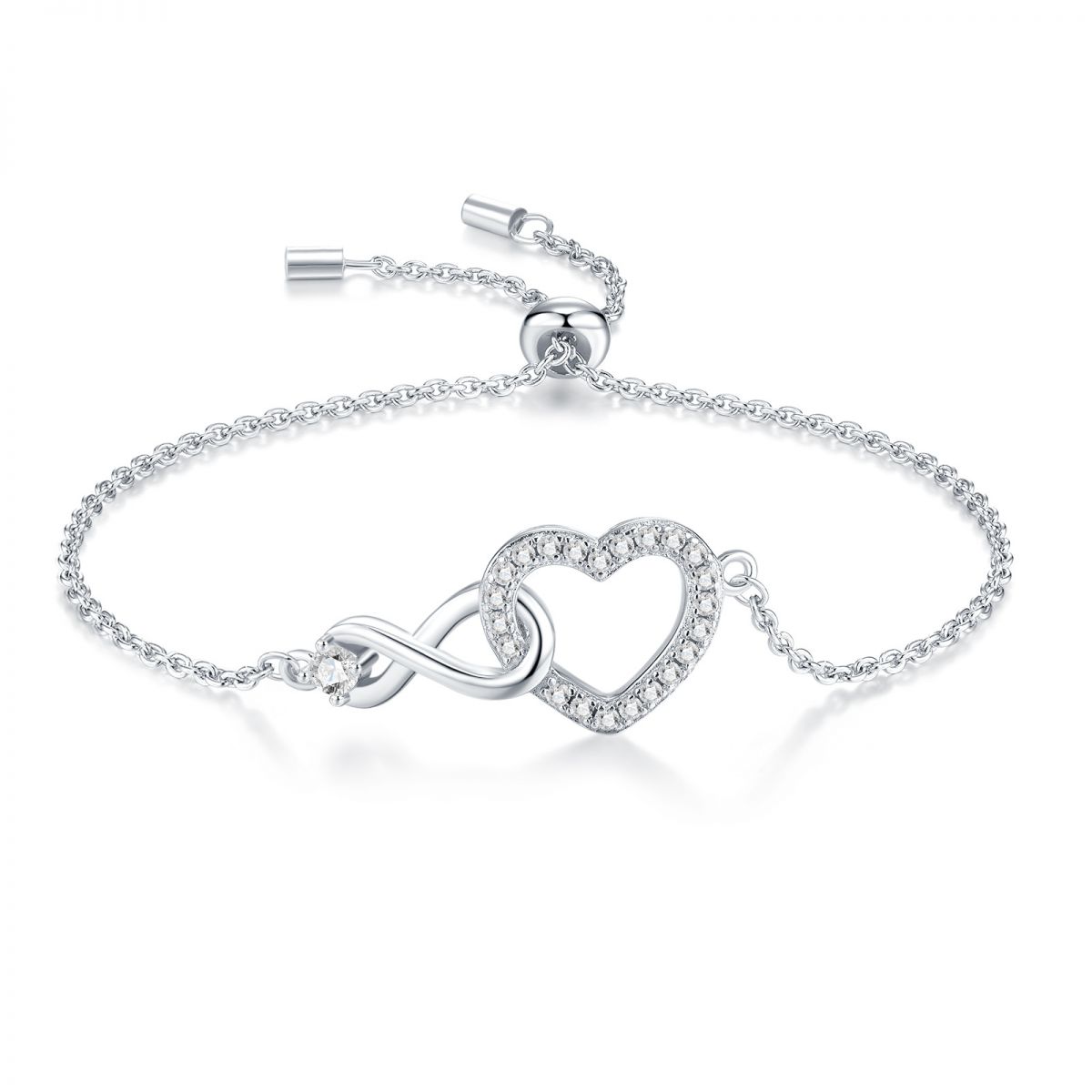
A tennis bracelet is the most prestigious piece in the wrist category: a continuous line of stones that reads as real jewellery, not fashion. It sells for anniversaries, milestone birthdays and Christmas, and it carries a premium margin. But tennis bracelets have two risks that trip up retailers: sizing and clasps. Get both right and the category is profitable; get either wrong and you end up with returns.
This guide covers how to stock and sell tennis bracelets. See the bracelets range.
Sizing a tennis bracelet
Tennis bracelets are fixed-length, usually 6.5 to 7.5 inches for women. The most common size is 7 inches. Stock 7 inches as the default display size, with a couple of 6.5 and 7.5 for edge cases. Unlike rings, a tennis bracelet cannot be resized easily, so the customer must be measured correctly. Have a soft tape measure on hand, and measure over the wrist bone. A bracelet that is too tight cuts into the skin; too loose and it spins and catches.
The clasp is the make-or-break detail
More tennis bracelets are lost to failed clasps than to any other reason. Insist on a box clasp with a safety catch, not a spring ring. The safety catch is the second lock that keeps the bracelet on if the main clasp opens. Check this on every piece you stock, and mention it to the customer — it is a selling point, not a detail. Our tennis bracelet styles use secure clasps designed for daily wear.
Gifting seasons for tennis bracelets
Tennis bracelets sell in peaks: Valentine's Day, milestone anniversaries (10th, 25th), and Christmas. They are bought by partners as a serious gift, not an impulse buy. Price them as such, boxed, with a certificate. The heart tennis bracelet is a popular gift design for anniversaries and Valentine's. Order eight weeks ahead of each peak.
Pricing and margin
A tennis bracelet carries the best margin in the bracelet category because the customer is buying a premium, gift-ready piece. The perceived value is high — it looks like a serious jewellery purchase — while the wholesale cost is modest. Present it boxed, mention the clasp and the certificate, and the price objection handles itself. Compare it to a diamond tennis bracelet that would cost thousands, not to a fashion chain.
Display and cross-sell
Show the tennis bracelet on a display wrist, lit well. It photographs beautifully, so it also works on social media. Cross-sell it with a matching pendant or studs — the same customer who buys a tennis bracelet often buys a full set. Our necklaces range and earrings range are the natural companions.
Reorder rhythm
Tennis bracelets are a reorder business. The first order tests which lengths and stone densities sell; the reorder doubles down on winners. Keep a 7-inch piece in each style on the display at all times, because a customer who tries one on will usually buy. If a style sits for three months, drop it; if it sells out in weeks, reorder more.
The bottom line
Stock 7-inch tennis bracelets with secure box clasps, measure wrists carefully, and price them as premium gifts. They are the highest-margin piece in the bracelet category. When you are ready to order, request a wholesale quote for the styles that suit your customers.
After-sales that protect the tennis bracelet sale
A tennis bracelet is a serious purchase, and the customer will remember how you look after it. Offer a free check-up after a month — tighten the clasp, inspect the stones — and give the customer a small pouch to store it in. These small gestures turn a one-time buyer into a referral source, and they cost almost nothing. A customer whose clasp is checked never loses the bracelet, which means no warranty claim and a happy review. This is the kind of after-sales that premium jewellers use, and it works just as well with a moissanite tennis bracelet. The pieces in our bracelets range ship ready to present as a premium gift.
Frequently asked questions
What size tennis bracelet should I stock? 7 inches is the default, with a couple of 6.5 and 7.5.
How do I measure a wrist? A soft tape over the wrist bone, snug but not tight.
What clasp is safest? A box clasp with a safety catch, so the bracelet stays on even if the main clasp opens.
Sizing and after-sales for tennis bracelets
A tennis bracelet is a serious purchase, and sizing it right is what prevents returns. Measure the wrist with a soft tape over the wrist bone, snug but not tight, and add about half an inch for comfort. Stock 7 inches as your default, with a couple of 6.5 and 7.5 for smaller and larger wrists. The clasp matters: a box clasp with a safety catch keeps the bracelet on even if the main clasp opens, which is essential for a piece customers wear every day.
After the sale, offer a free check-up after a month — tighten the clasp, inspect the stones — and give the customer a small pouch to store the bracelet in. These gestures cost almost nothing but turn a one-time buyer into a referral source, and a checked clasp means no lost-bracelet warranty claim. The tennis bracelets in our bracelets range ship with secure clasps and a box, ready to present as a premium gift.
Cleaning and the insurance conversation
A tennis bracelet needs more care than a ring, because every small stone is exposed to lotion, perfume and sweat. Recommend a gentle soft-brush clean once a month and a professional check-up once a year to make sure no stone has loosened. A bracelet that is never cleaned looks duller than it is, and a customer who thinks her moissanite has "lost its sparkle" may blame the stone rather than the grime. Teaching her the quick clean keeps her happy with the piece for years.
At the point of sale, mention insurance. A tennis bracelet is a meaningful piece, and a customer who insures it is a customer who will not blame you if it is lost. Offer to add it to her home jewellery rider, and give her a copy of the certificate and the receipt. This small step removes post-sale tension and positions you as a careful, professional jeweller. The tennis bracelets in our bracelets range ship with secure box clasps, certificates and boxes, ready to present as a premium gift.