Bracelets & Bangles
Layering a Tennis Bracelet With a Bangle: Stacking That Works
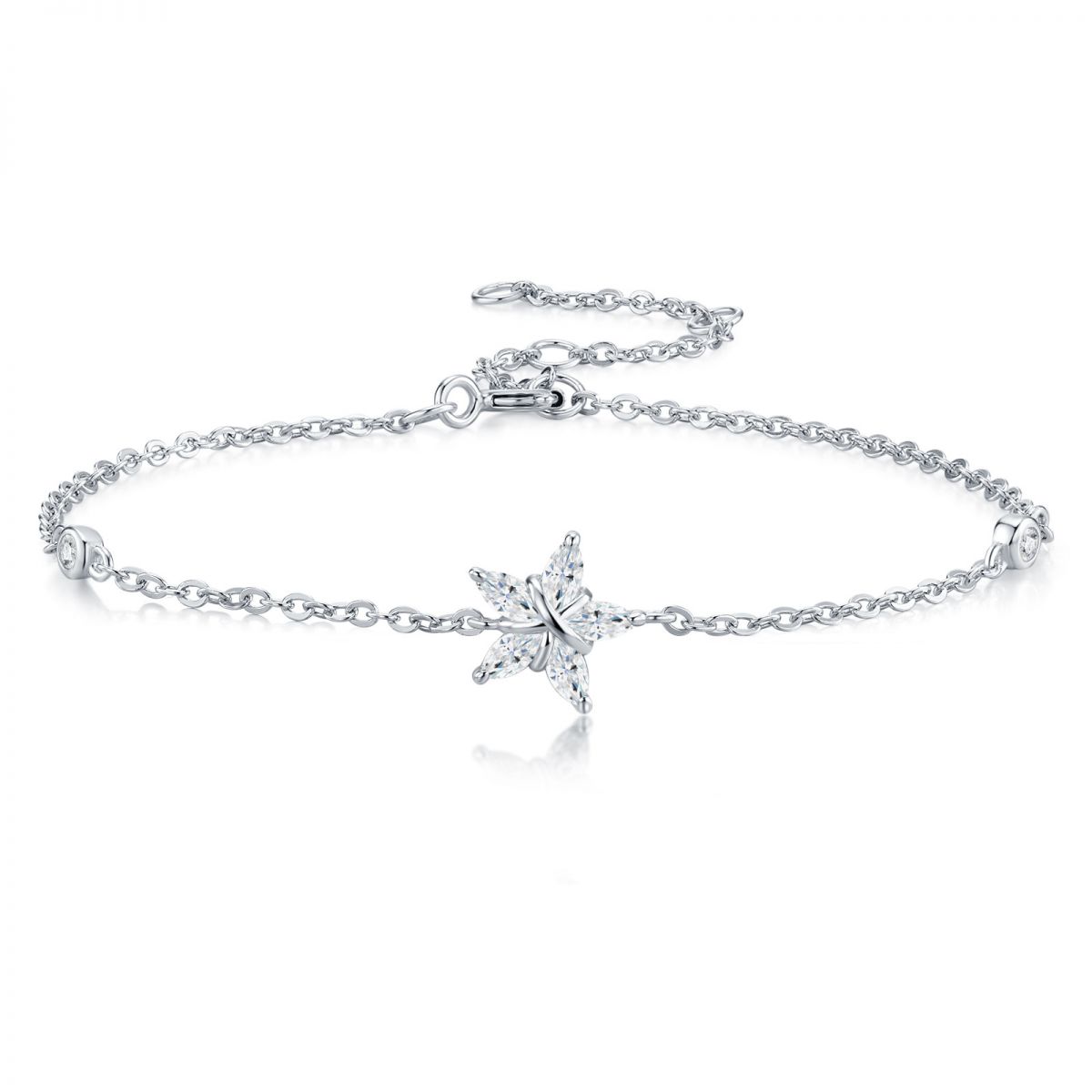
The tennis bracelet is the quiet staple of bridal wristwear. Slim, continuous, and gently glittering, it sits alone beautifully on a wedding day. But once the wedding is over, many brides want to wear it in real life, and that usually means stacking. Pairing a tennis bracelet with a bangle is the most natural combination: one flexible, one rigid, one sparkling, one solid. Done well, the two look intentional. Done poorly, they clatter and scratch.
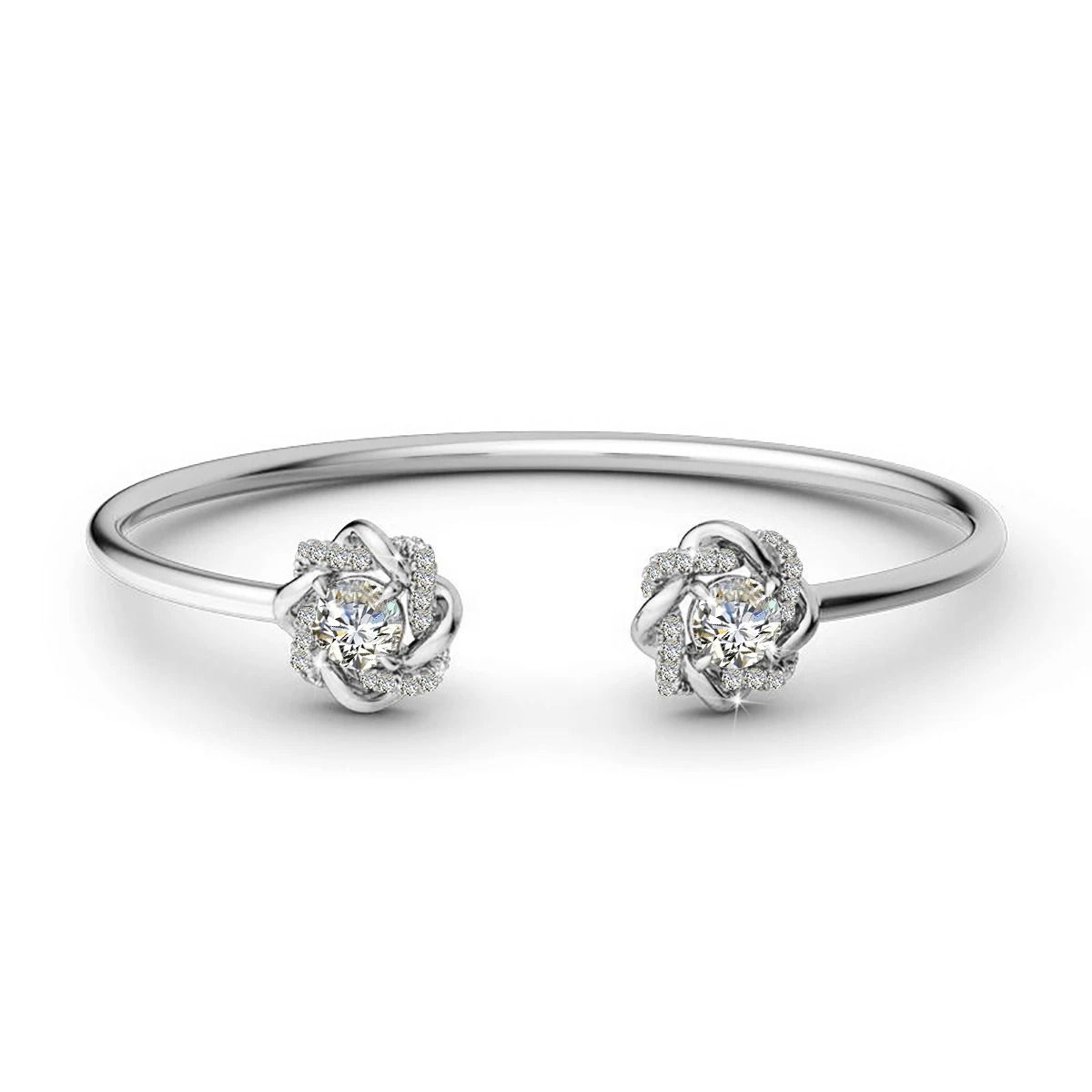
The reason the pairing works is contrast. A tennis bracelet follows the wrist; a bangle does not. The hard, round shape of the bangle frames the soft curve of the diamond line, and the eye reads them as two deliberate layers rather than one tangled mess.
Get the proportions right
A thick statement bangle next to a slim tennis bracelet swallows it. The stack reads as bangle first, bracelet never. The better formula is a narrow bangle (2 to 4 mm) beside a tennis bracelet of similar visual weight. If your tennis bracelet is a dainty 1 mm stone line, choose a thin bangle. If it is a heavier 2 to 3 mm line, a slightly wider bangle balances it.
Length matters too. A properly fitted tennis bracelet sits loosely enough to move a half inch on the wrist. A bangle that is too tight will push the tennis bracelet up the arm and bunch it. Size both pieces to the same wrist, with the bangle just loose enough to slide over the hand and the tennis bracelet on its standard extension chain.
Mixing metals without it looking random
Two golds on one wrist can look warm; a gold bangle beside a silver tennis bracelet can look intentional or accidental, depending on the rest of your jewelry. The trick is to repeat the metal mix somewhere else. If your engagement ring is two-tone, mixing rose and white on the wrist reads as a palette. If everything else on you is platinum, keep the stack platinum and add interest through shape rather than metal.
Warm gold and a colorless moissanite line is the classic bridal combination because it photographs well under warm wedding lighting. Rose gold bangles beside a white tennis bracelet are a 2026 favorite for the same reason: the contrast is soft, not stark.
Protecting the clasp
The biggest practical issue with stacking a tennis bracelet and a bangle is the clasp. A hard bangle swings against the box clasp of the tennis bracelet all day, and over years that repeated knock can wear the clasp mechanism. This is the number one reason tennis bracelet clasps fail on regularly worn stacks.
Two fixes help. First, put the bangle on the side of the wrist away from the clasp so the clasp sits against soft skin rather than hard metal. Second, choose a tennis bracelet with a double safety latch or a figure-eight safety. A single box clasp on a stacked wrist is asking for trouble. If your bracelet already has a simple clasp, a jeweler can add a small safety chain in minutes.
What to add next
Once the bangle and tennis bracelet are comfortable together, most people add a third, thinner piece. A paperclip chain, a beaded stretch, or a charm bangle fills the gaps between the two. Stop at three pieces on one wrist unless the occasion is deliberately maximalist. More than three starts to sound like a jewelry box spilling out, and the tennis bracelet loses its role as the elegant centerpiece.
On the wedding day itself, many brides keep the wrist deliberately simple: tennis bracelet only, no bangle, so nothing competes with the dress. After the honeymoon, the bangle comes back. That two-act life of the bracelet, formal on the day and layered afterward, is why the tennis bracelet remains one of the most worn pieces in a bridal jewelry box decades later.
Temperature and climate also change how a stack sits. Metal expands slightly in summer heat, which can make a bangle that fit perfectly in spring feel tight in August. If you wear the stack year-round, size the bangle when your hands are warm, and leave a little room for the thinner winter days when everything feels loose. Skin lotion and sunscreen also interact with layered metal; apply them and wait a minute before putting the bracelets on, otherwise residue builds up between the links and dulls the shine faster. A soft polish cloth run between the two pieces every few weeks keeps them from rubbing each other dull. These are small habits, but over years they keep a stack looking as deliberate as the day you first wore it.
For third-party reference, the Wikipedia article on moissanite details moissanite’s discovery, optical properties and use in jewelry.
Frequently Asked Questions
What ring sizes can you supply in bulk?
US sizes 5–12 including half sizes. Send a size breakdown with your order and we cast to that curve; comfort-fit inner bands reduce resize requests.
Can I order a mixed size run instead of one size?
Yes. Mixed runs are standard for wholesale: specify quantity per size and we pack and label by size at no extra labor cost.
What is the MOQ for custom ring designs?
50 pieces per design for existing molds; 100–300 pieces when a new mold or CAD model is required.
How should I price rings for retail margin?
Most partners use a 3–4x markup on FOB cost for sterling and 2.5–3x for moissanite solos, which keeps landed cost under 30% of retail.
Send your spec sheet — stone, cut, size, plating and quantity — and we will return a costed timeline.
Ask the workshop