Bracelets & Bangles
Personalized Charm Bracelets: A Bridal Tradition Reimagined
Charm bracelets were once Grandma's jewelry box staple—a dangling record of trips, birthdays, and first babies. In 2026, that tradition is quietly returning to bridal cases, but in a slimmer, modern form. Brides and grooms are giving personalized charm bracelets as engagement gifts, "something blue" stand-ins, and first-anniversary pieces that grow over time. For buyers watching bracelet trends for retailers, the charm category is a sentimental slow-burn worth curating.
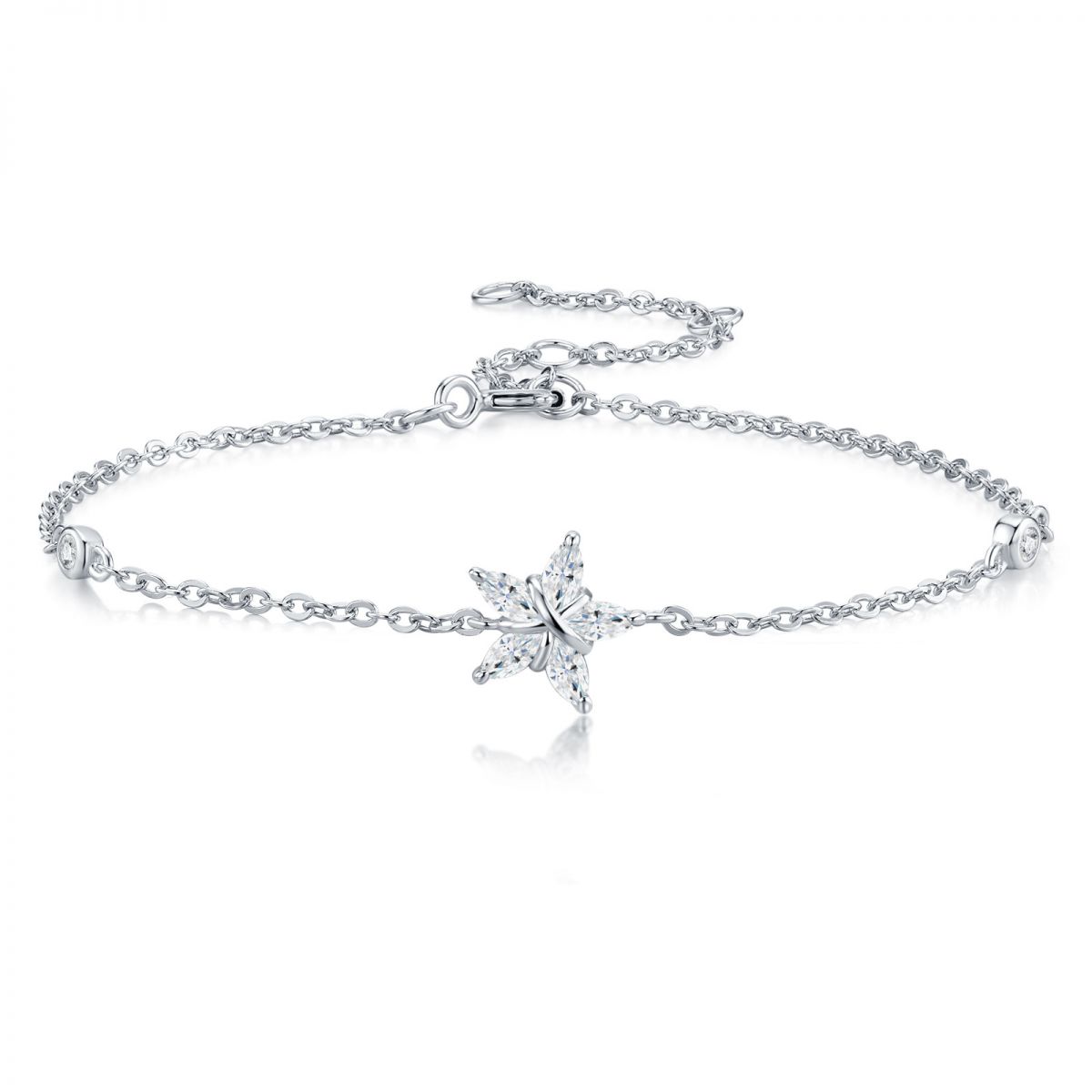
The modern charm bracelet looks nothing like the thick chains of the nineties. Today's bridal version is a fine cable or Figaro chain—often in 14k gold fill, vermeil, or solid gold—holding a small handful of meaningful charms rather than a crowded dozen. A heart, a birthstone, a tiny wedding ring, an initial, a star. The result is delicate enough to stack with a tennis bracelet on the wedding wrist, and personal enough that it never feels generic.
Why now? Partly nostalgia for a slower, more intentional form of jewelry. In a world of algorithm-styled fast fashion, a bracelet that tells a specific story feels rare. Brides like that a charm can be added on each anniversary—a house key when they buy a home, a tiny baby carriage when they start a family. The piece becomes a living record, which justifies a higher-quality base chain that will last decades.
The gifting occasions are wide. A groom-to-be can present a charm bracelet at the proposal with a single "love" charm. A mother can give a daughter a bracelet with her birthstone and the bride's birthstone on the morning of the wedding. Bridesmaids can get matching small charms as thank-you gifts. Each occasion is a separate sale, which makes the charm category a recurring revenue stream rather than a one-and-done.
Personalization is the engine. Engraved initials, coordinates of the proposal spot, wedding dates—these small details turn a modest bracelet into a keepsake. When sourcing, confirm whether your supplier offers on-hand engraving or sends pieces out. Faster turnaround on engraving directly affects conversion, because most gift buyers are working to a date. A bracelet that cannot be engraved before the wedding is a lost sale.
Materials matter for longevity. A charm bracelet takes more open and close action than a pendant, so the clasp must be secure—a lobster clasp is standard, with an extender chain for wrist adjustability. The charms should move freely but not twist into tangles. Avoid plated charms that chip where they touch the wrist; customers notice that quickly and blame the whole piece. Compare plating thickness if you are working with silver-based chains, as covered in our plating thickness guide.
Pricing tiers should be clear. Offer an entry-level vermeil chain with two starter charms, a mid solid-gold option with five charms, and a build-your-own bar where customers pick each charm. The build-your-own option is where the average ticket climbs—customers adding charms rarely stop at the first two. It also makes the in-store experience interactive, which browsers love.
Styling on the wedding day is part of the pitch. A slim charm bracelet stacks beautifully with a thin bangle or a delicate tennis bracelet, and the charms sit below the bracelet line so they do not clink against a champagne flute. Capture that stacked look in your product photos—a lone charm chain can look sparse online, but a stacked wrist tells the real story.
Care advice is straightforward. Remind owners to remove the bracelet before swimming, showering, or applying lotion, because the crevices around charms collect residue. A soft cloth wipe after wear keeps the engraved details legible for years. That simple care note, printed on the gift card, signals quality and keeps the bracelet looking the day it was given.
Digital gifting has not killed this category—it has actually helped. Couples research sentimental gifts online and arrive ready to buy, but they want the personal touch of choosing charms in person. A store that offers a small charm bar with sample charms laid out gives browsers a tactile experience they cannot get from a website. That hands-on moment, where a customer picks a tiny heart or a birthstone by hand, is what turns a window-shopper into a buyer. It also creates a reason to come back, since every anniversary means one more charm.
Presentation matters, too. A charm bracelet given on a velvet card, with the story of each charm noted on the back, becomes a gift the recipient keeps for decades. That level of care costs almost nothing in materials but raises the perceived value far above the metal weight. Brides remember how a gift was presented, and that memory drives referrals.
The charm bracelet's strength is that it never really goes out of style—it simply waits for the next generation to discover it. Stock a curated starter set, make personalization easy, and let the tradition do the selling. Brides will keep coming back, charm after charm, for every milestone that follows the wedding.
The Wikipedia entry on engagement rings gives an independent overview of engagement ring traditions and settings.
Frequently Asked Questions
What bracelet materials sell best for wholesale?
316L stainless steel and 925 sterling silver. Steel is price-stable and tarnish-resistant; silver captures the gift segment at a higher ticket.
Do you offer mixed-material stacking sets?
Yes. Stacking sets of two to five bands are assembled and packed as a single SKU, which raises average order value without extra inventory.
How do I handle sizing for bracelets?
Bracelet sizing is forgiving: 7 inch fits most women and 8 inch most men. Offer both and note the measurement in your listing.
What is the MOQ and lead time?
50 pieces per design, samples 3–5 days, bulk 15–20 days.
Send your spec sheet — stone, cut, size, plating and quantity — and we will return a costed timeline.
Ask the workshop