Bracelets & Bangles
Building a Moissanite Jewelry Care Program That Keeps Clients Coming Back
Most boutiques think of aftersales as a cost center: a free cleaning here, a tightened prong there. It is actually the cheapest referral channel you have. A bride who walks in six months after the wedding for a complimentary check leaves your shop feeling looked after, and she brings her friends. The care program is what makes that repeat visit possible.
Why moissanite is easy to care for, but not zero-maintenance
Moissanite scores 9.25 on the Mohs scale, which means it resists scratches well and holds its polish for years. But "hard" is not "indestructible." Soaps, lotions and hairspray build a film on the facet surface that dulls the stone faster than any scratch. A simple ultrasonic or warm-soap cleaning every six months brings the fire back. Your staff should explain this honestly: moissanite does not need special treatment, but it does need a wipe.
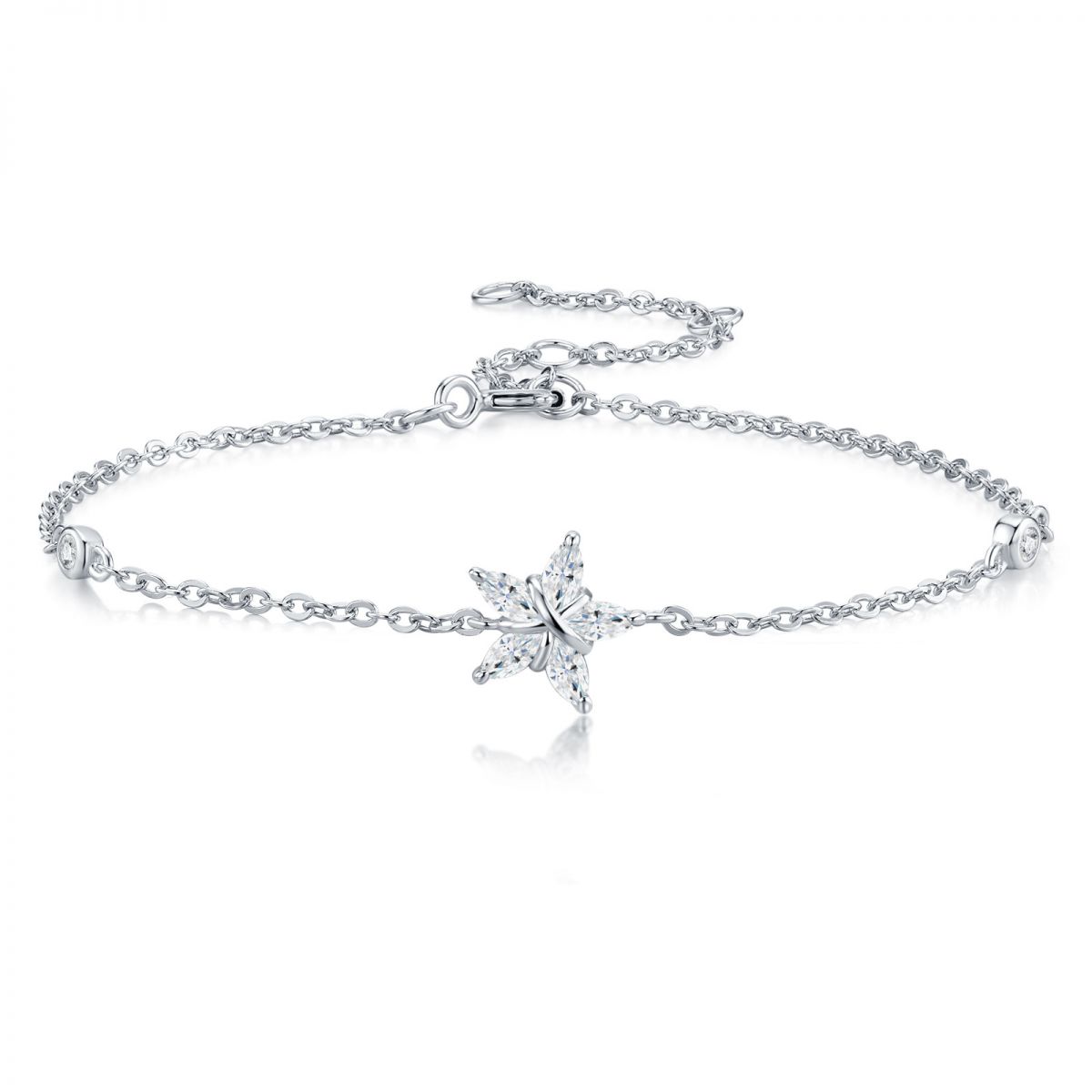
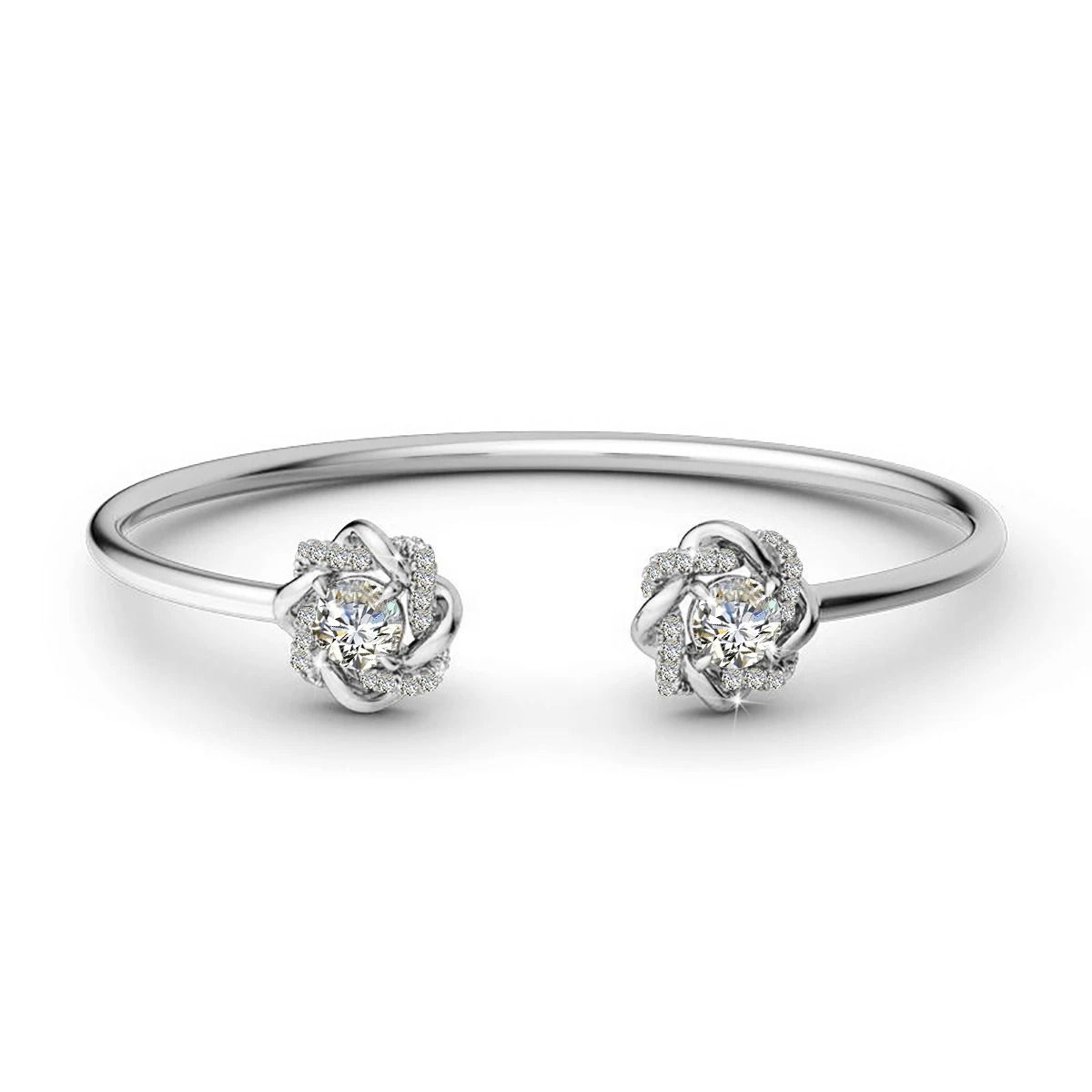
Bracelets, especially tennis bracelets, carry the highest care workload. The clasp takes the most stress of any part of the piece, and the links bend if the bracelet is dropped. A care program should name this explicitly so clients know to bring the bracelet in rather than trying to repair it at home.
Design the care program as three free touchpoints
Build the program around three visits, not an open-ended promise. That keeps the workload predictable and gives clients a clear calendar:
- 30-day check. Prong inspection, clasp check, and a professional clean. This catches loose stones before a client loses one.
- Six-month check. Same service, plus a rhodium refresh on white metal if needed. This is also the visit where you ask how the wedding photos went, which opens a referral conversation.
- One-year check. Full inspection, sizing conversation, and a gentle prompt about an anniversary upgrade (a band add-on, a pendant, or a bracelet).
Issue a small care card with each sale that lists these three visits and your phone number. Clients keep it in their jewelry box, and it works as a silent reminder.
The tennis bracelet clasp: fix it before it fails
Tennis bracelets fail at the clasp, not at the stones. When a client comes in for a check, open and close the clasp ten times. If it feels soft or the safety latch does not click, replace it. Do not wait for the client to report a problem. A dropped tennis bracelet is the most common jewelry insurance claim, and it is almost entirely preventable with a 90-second clasp test. Keep two or three generic clasps in your repair drawer so you can swap same-day.
What you give away for free, and what you charge for
Free: cleaning, prong check, clasp test, and a short sizing conversation. Charge: rhodium dipping, prong re-tipping, sizing adjustments, and any stone replacement. Be transparent about the line. A client who thinks everything is free will be unhappy when you charge for a re-tip; a client who understands the scope will respect the fee. Put the price list on the care card so there are no surprises.
Train staff to convert the care visit into a referral, not a sales pitch
The six-month visit is the moment to say "if you know anyone who is engaged, send them in for a free check; we'll take care of them the same way." That is it. Do not push an upgrade at the 30-day visit; the client is still settling into the ring. The one-year visit is the right time to mention anniversary pieces. Timing matters more than script.
Send a care bag with every sale
A small drawstring pouch containing a polishing cloth, a tiny fluid-free jewelry wipe, and the printed care card costs you under two dollars and changes the whole perception of the sale. It signals that the piece is worth maintaining, and it gives the client a reason to walk back in when the cloth wears out. The care bag also reduces the number of clients who try to clean moissanite with toothpaste or ammonia at home, which is the single most common way bridal pieces get damaged in the first year.
Tell clients what not to do. Moissanite tolerates a soft brush and warm soapy water, but it should not be soaked in chlorine, exposed to acetone, or cleaned in an ultrasonic machine if the setting has antique glue or fragile prongs. A short printed line on the care card prevents the most common home accidents and reduces the number of pieces that come back looking dull after a client tried a DIY clean. It also sets a clear boundary between home care and bench work.
A care program costs you a few hours a month and returns the client relationship for years. Keep it simple, keep the scope clear, and let the service do the selling. See our bracelet range for pieces that pair naturally with a care offer.
Independent background on moissanite — how its hardness and refractive index compare with diamond — is documented in the Wikipedia article on moissanite.
Frequently Asked Questions
Is moissanite a good diamond alternative for retail buyers?
Yes for price-sensitive customers who want brilliance and hardness. Moissanite ranks 9.25 on the Mohs scale, holds up to daily wear and costs a fraction of a natural diamond of the same size, so it resells fast in bridal and fashion lines.
What is the minimum order for wholesale moissanite?
MOQ starts at 50 pieces per design for stock items. Custom cuts and private-label settings usually start at 100–300 pieces depending on the mold.
Do you provide certificates with moissanite stones?
Yes. Every parcel ships with GRA or IGI documentation listing carat weight, color grade and cut. We recommend passing the certificate to your end customer for trust.
How long does sample and bulk production take?
Samples ship in 3–5 days. Bulk runs take 15–20 days under 500 pieces, and 25–30 days for custom work.
Send your spec sheet — stone, cut, size, plating and quantity — and we will return a costed timeline.
Ask the workshop