Bracelets & Bangles
Moissanite Bridal Jewelry QC: Inspection Standards
A boutique in Denver received a parcel of bridal bracelets and rings that looked perfect under normal lighting. The owner's bench jeweler ran a quick prong pull on a tennis bracelet and found three stones that moved under light pressure. If those had gone to brides, they would have lost stones on the wedding day. Incoming inspection is not optional; it is the reason her 90-day return rate stays under one percent.
QC in wholesale moissanite happens at three points: at the bench after setting, at final polish and plating, and again when the parcel lands on your counter. Here is the standard we run, and the checks you can do on arrival.
Where the defect rate actually comes from
Moissanite itself is stable at 9.25 on the Mohs scale. Almost no defects come from the stone scratching or chipping. They come from the setting, the plating, and the certificate match. Quantitatively, most first-parcel failures cluster in a narrow set of checkpoints.
| Checkpoint | Industry typical | Our standard |
|---|---|---|
| Prong inspection | visual only | pull-tested at 1.5kg per stone |
| Rhodium plate | 0.3 micrometer | 0.5 micrometer |
| Certificate match | sampled | every stone over 3mm verified |
| Final polish | one pass | two-pass polish, no buff lines |
| Measured defect rate | 8-15% | under 1.8% over 12 months |
The inspection sequence we run before shipment
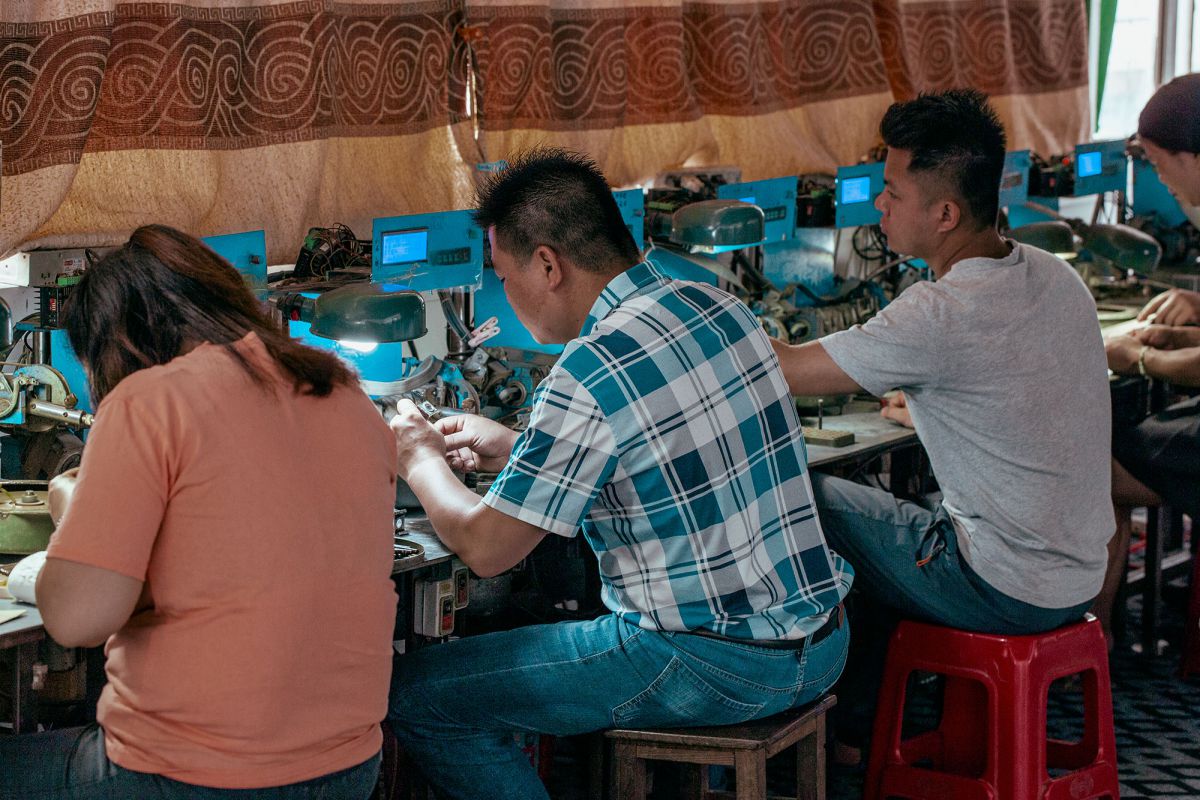
- Stone-in: every moissanite stone is graded against its GRA certificate before setting. Weight, cut, and dimensions are recorded so we can verify the match after mounting.
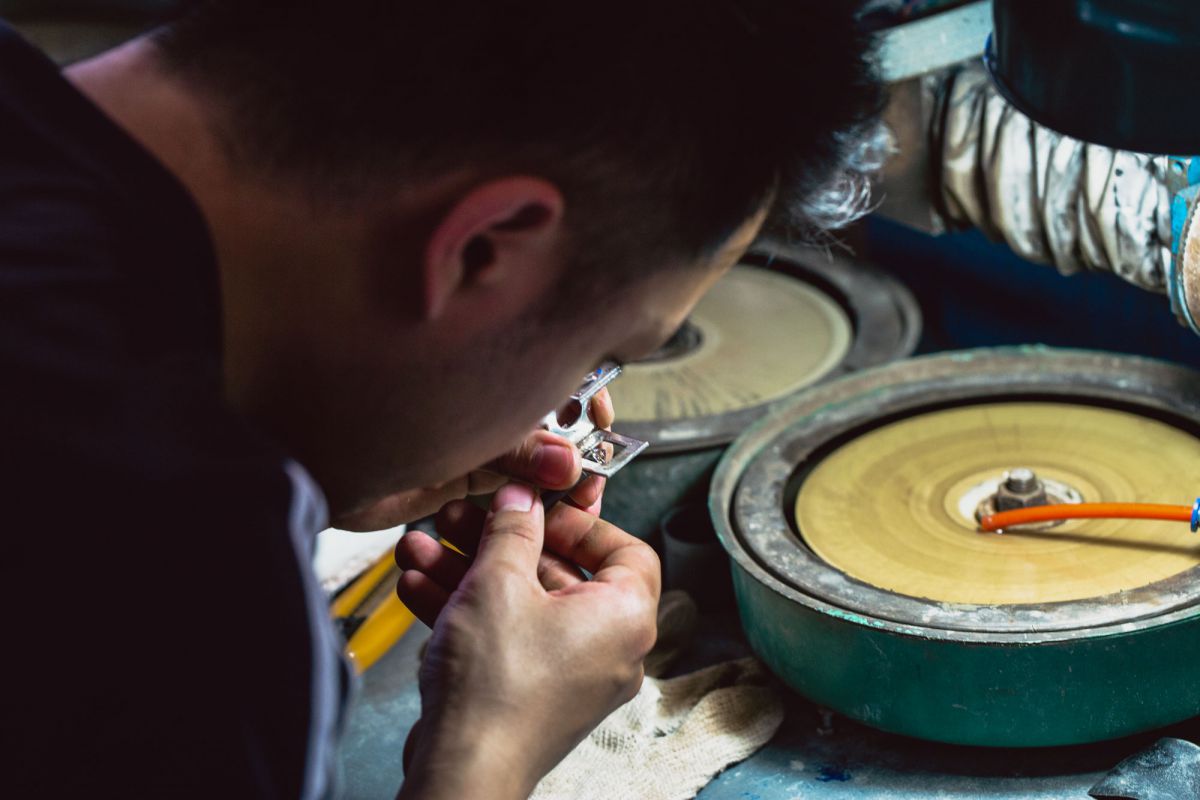
- Setting: prong, bezel, or pavé is set under magnification. Every prong is burnished closed, not just pressed down.
- Pull test: every prong-set stone is pull-tested at 1.5kg. A stone that shifts fails the lot, not just that piece.
- Plating: rhodium is applied to 0.5 micrometers on 925 sterling silver. We measure thickness on a sample from each batch.
- Final polish and cert match: the piece is polished, the certificate registry number is re-checked against the stone, and the piece is bagged.
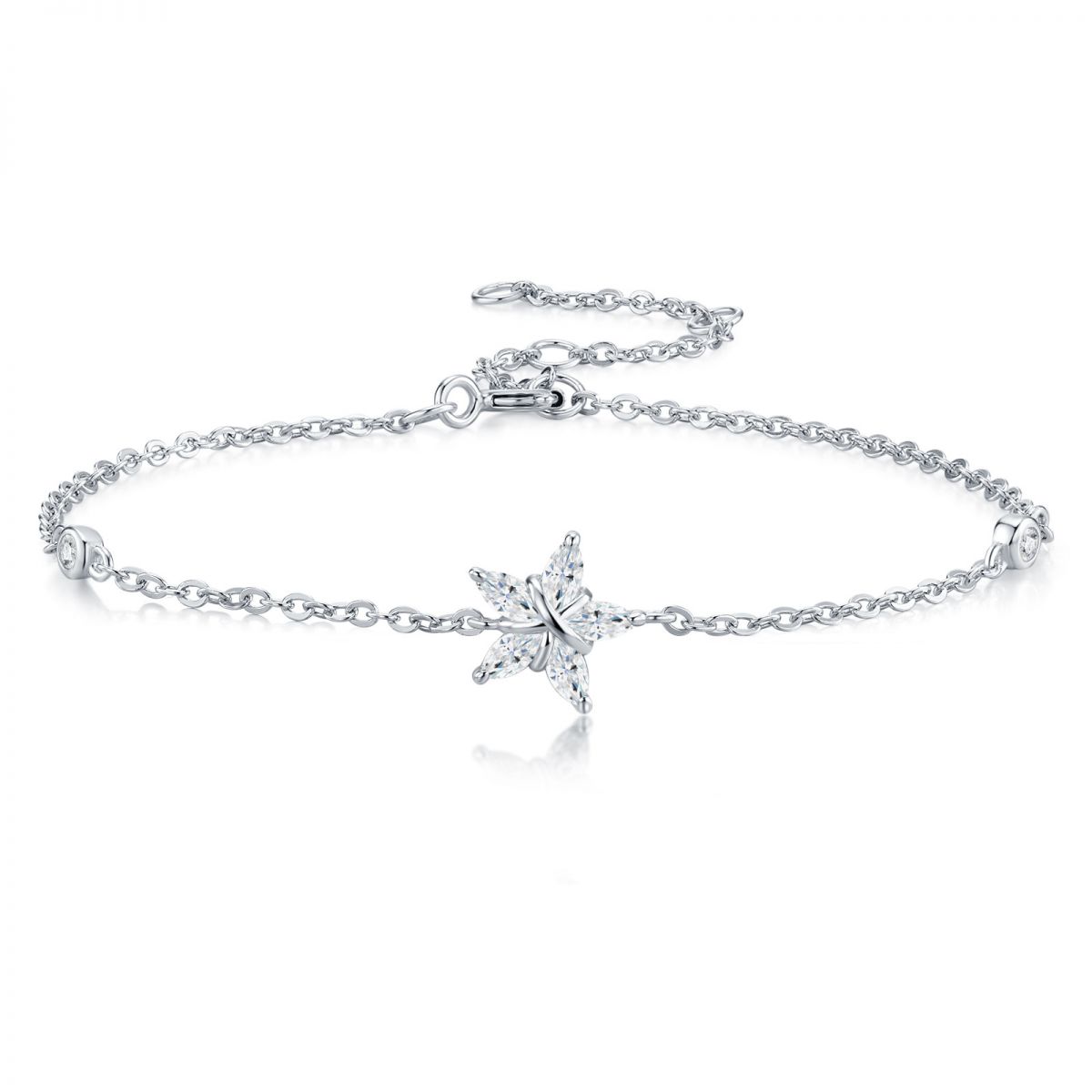
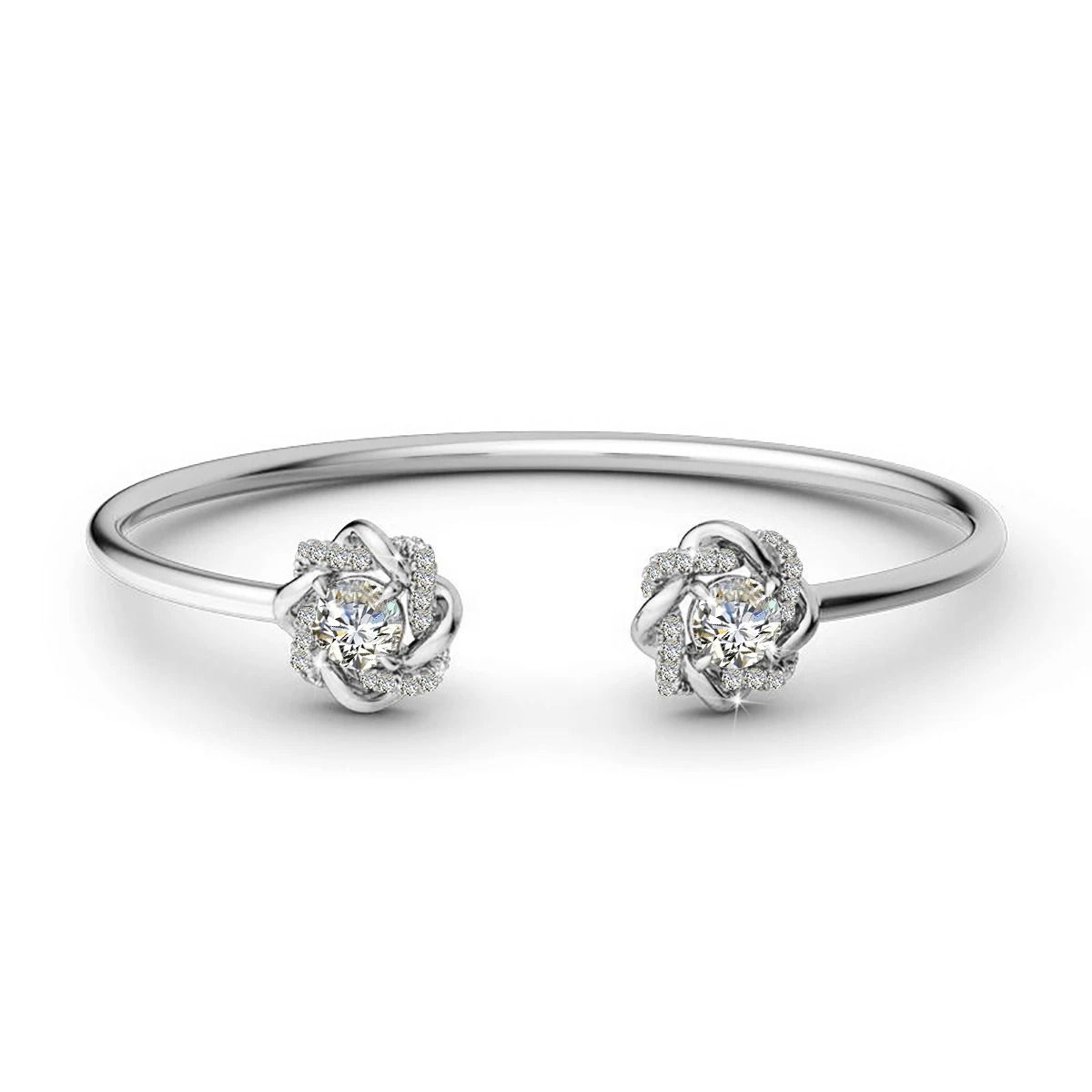
For bracelets and bangles, the clasp gets the same attention as the stones. A tennis bracelet that opens on its own is a return waiting to happen. We test every clasp under light tension and check that the safety catch closes audibly.
What retailers should check on incoming parcels
You do not need a lab. You need ten minutes per parcel and a few simple tools.
- Certificate match: pull one random piece per SKU and verify the registry number against the card. If it does not match, hold the whole lot.
- Prong wiggle: gently nudge each stone with a wooden stick. Any movement fails.
- Clasp test: open and close bracelet and earring clutches five times. A loose clasp fails.
- Plating look: inspect under bright light for yellow or buff lines. Rhodium plate should be even and mirror-bright.
Keep a simple incoming log. For each parcel, record the SKU, the number of pieces checked, and any failure. Over two to three quarters, that log tells you which supplier, which style, and which season consistently throws defects. Without it, a slow pattern of loose prongs gets written off as bad luck instead of getting corrected at the factory. We share our own QC log with boutiques on request, because transparency on defects is the fastest way to keep the reorder rate above ninety-eight percent.
Frequently Asked Questions
What is a prong pull test?
A prong pull test applies gentle, measured pressure to a set stone to confirm the prongs are secure. We test every prong-set stone at 1.5 kilograms. A stone that shifts fails the lot.
How thick should rhodium plating be on bridal jewelry?
Bridal pieces are handled constantly, so plating matters more than on everyday jewelry. We plate to 0.5 micrometers; the industry standard is around 0.3, which can yellow within a season.
Do you verify certificates on every piece?
Yes. Every stone over 3mm is verified against its GRA certificate before and after mounting. Below 3mm, stones are batch-graded because individual certs at that scale are not practical.
What defect rate should retailers expect on reorders?
Anything above three percent on a reorder is a red flag. Our measured defect rate over the last twelve months is under 1.8 percent, and we cover freight on any lot that exceeds our published threshold.
How should I inspect a parcel when it arrives?
Pull one random piece per SKU, verify the certificate, wiggle each stone, test the clasp, and inspect plating under bright light. Hold any lot that fails a check rather than shelving the pieces.
What to take away
- Defects come from settings and plating, not from the moissanite stone itself.
- Prong pull tests and cert matching are non-negotiable checkpoints.
- A ten-minute incoming inspection catches most problems before brides do.
Request a QC spec sheet: every shipment includes a cert-verified packing list. Browse bridal bracelets, read our care and QC guides, and see the standard applied to engagement rings.
For third-party reference, the Wikipedia article on moissanite details moissanite’s discovery, optical properties and use in jewelry.
Send your spec sheet — stone, cut, size, plating and quantity — and we will return a costed timeline.
Ask the workshop