Bracelets & Bangles
Extending Your Bridal Counter into Prom and Kids' Accessories
The bridal counter has a customer most boutiques never think about: the bride's family. She buys an engagement ring, a wedding band, a bridal set, and then she brings her sister, her daughter, her niece, and eventually her teenage daughter to prom. A bridal shop that only sells to the bride on her wedding day is leaving a full calendar of smaller, high-margin sales sitting on the same customer file.
Why prom and kids' accessories fit the existing supply chain
You already buy moissanite studs, thin bangles, and small pendants in bulk. The same pieces, scaled down and merchandised differently, are exactly what a prom queen or a flower girl wants. You do not need a new supplier, a new certification, or a new showroom. You need a small secondary display and a different price point.
The margin on these small pieces is proportionally higher than on the bridal set. A bangle that costs you a few dollars at wholesale retails for a modest but healthy markup, and it moves quickly during the two prom windows (spring and early summer) and the communion and flower-girl season.
Prom: what teenage buyers actually pick
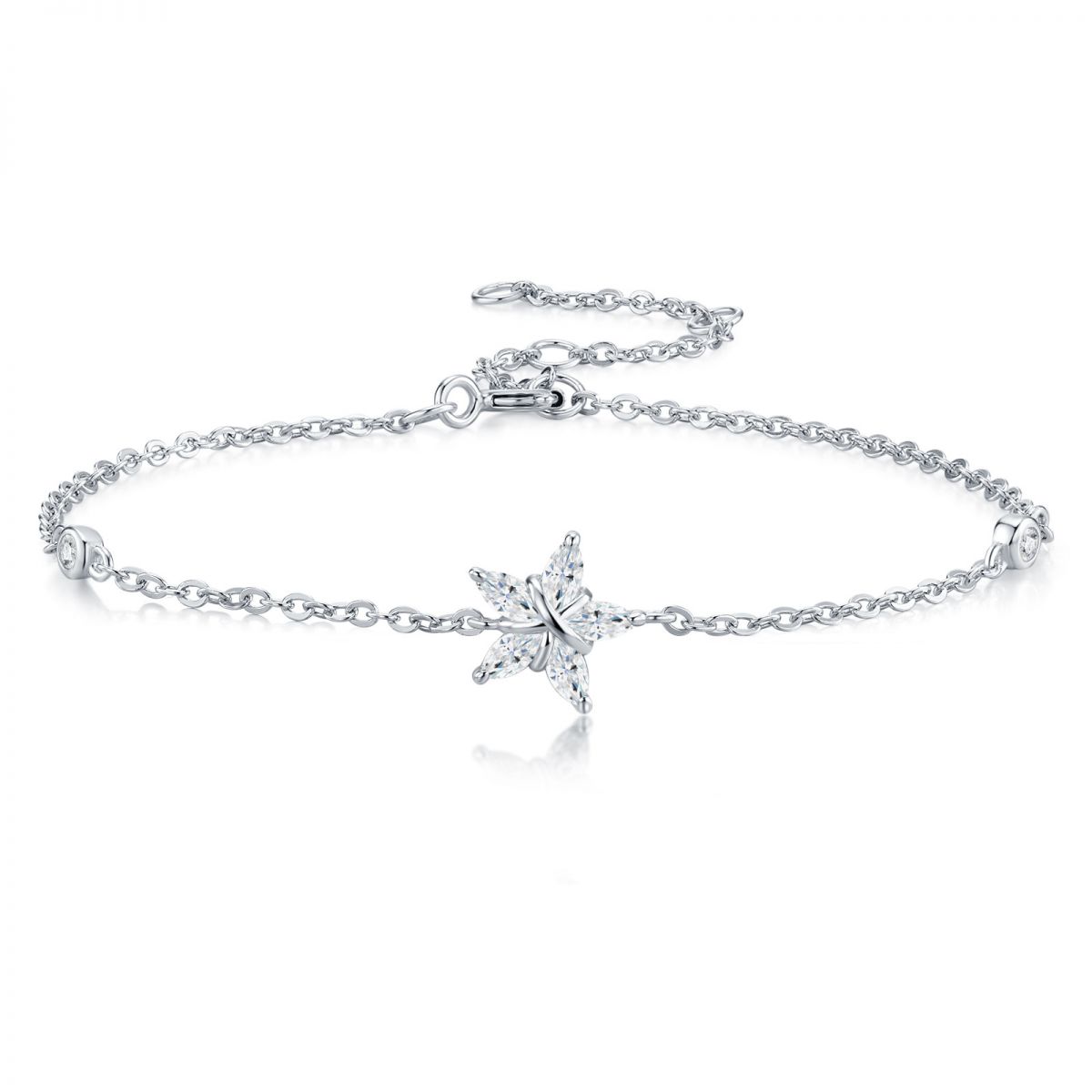
Prom jewelry skews toward statement but still affordable. The volume pieces are small moissanite studs, thin tennis bracelets, charm bangles, and layered pendant sets. The prom buyer is price-sensitive but wants to feel like she is wearing something special, not costume. A moissanite stud at a modest retail price point hits that balance better than a large rhinestone piece that looks cheap by the time the photos come back.
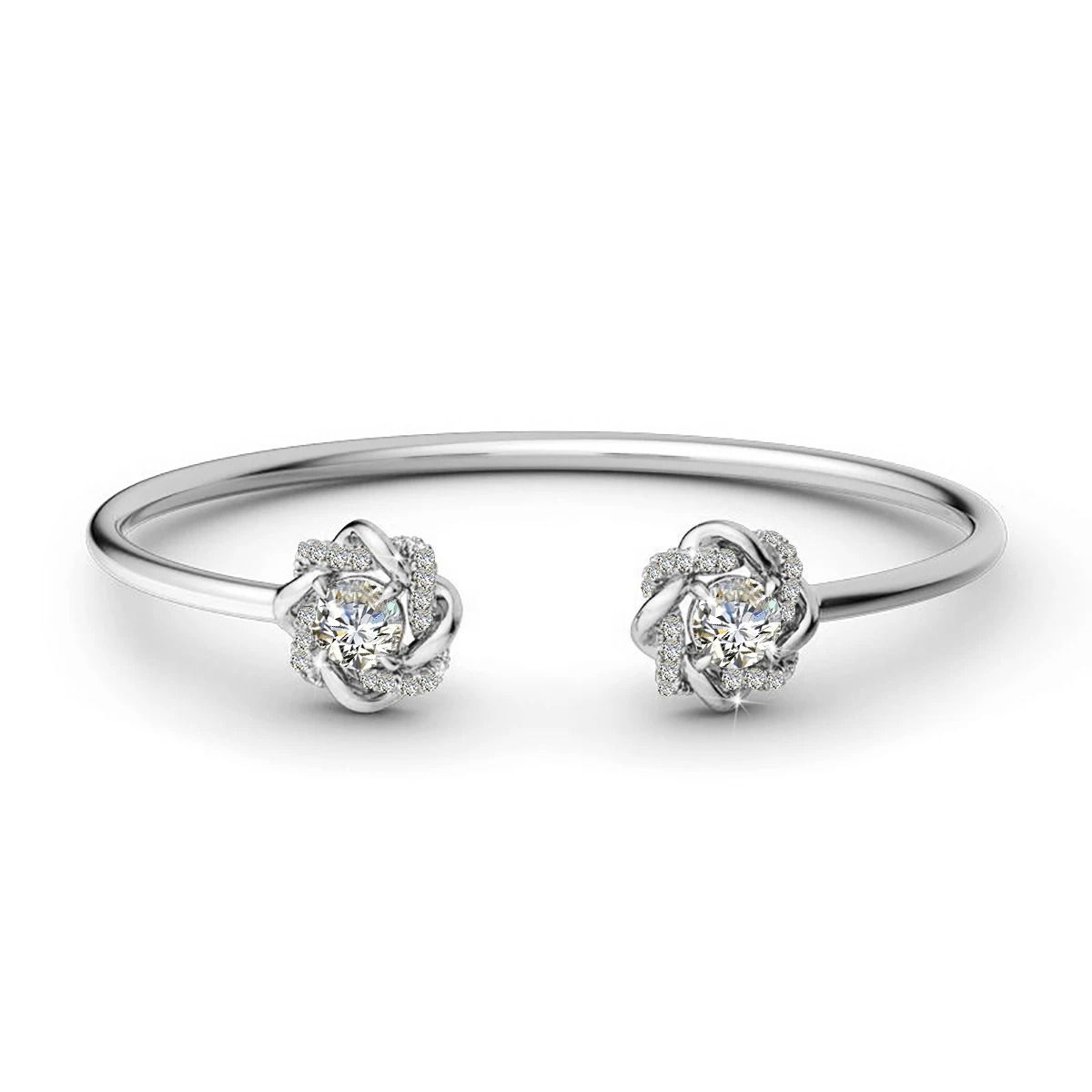
Closure and size matter. Teenage wrists are smaller than adult wrists, so stock bangles with an adjustable fit or in small diameters. Tennis bracelets should have a secure box clasp with a safety latch, because a prom night is not the night to lose a bracelet. Keep a small range of colors — clear moissanite is the default, but pale pink, blue, and birthstone colors sell well for prom themes.
Flower girls and communion: the kids' line
Flower girls and young communion recipients are bought for by their mothers, who are often the same bridal customers you already serve. The pieces that sell are small, simple, and durable: a single moissanite stud in a tiny ear (with screw-back closures for younger children), a slim bangle with a heart or star charm, and a small pendant on a short chain. Avoid anything with small detachable parts; safety is the first filter for kids' jewelry.
Size these pieces to a child's wrist and neck. A bangle that fits an adult will slide off a six-year-old's hand. Ask your supplier for child-sized diameters or adjustable bangles that can grow with the child for a year or two. A piece that can be worn again is a piece the mother remembers when the next family event comes around.
Merchandising without confusing the bride
The risk of a line extension is diluting the bridal brand. Solve that by keeping the prom and kids' pieces in a clearly separate, small display — a side tray, a low shelf, or a window corner — rather than mixing them into the bridal case. The bride should still see a bridal shop; the mother who comes back six months later for her daughter's prom should see that you also serve her family.
Train the staff to ask. At the end of a bridal appointment, a simple question — do you have any family events coming up, a prom, a communion, a flower girl — surfaces the next sale. Most customers will not volunteer it; they assume the shop only sells engagement rings.
What to ask your supplier
The seasonality you are planning around
Prom and kids' accessories follow a calendar that is almost the opposite of bridal. Bridal peaks in spring and early summer; prom peaks in the same window, which is convenient, but communion and flower-girl purchases cluster around late spring and early fall. Plan your inventory so the prom tray lands on the counter six to eight weeks before prom night, and pull it down the week after. Overstocking a prom tray past the event leaves you holding pieces that will not read next year's trend. A small, fast-turning tray refreshed each season beats a deep, slow-moving one.
The margin structure is also different. A prom bracelet is bought by a parent who is comparing it against mall and online prices, so the retail price point has to feel fair. The win is volume and repeat visits, not a large markup. A flower-girl set, by contrast, is bought by a mother who is already in the shop for the wedding, and that sale can carry a healthier margin because it is an add-on rather than a comparison purchase. Price the two buckets differently rather than applying one markup across the whole tray.
Ask whether your existing wholesale supplier can scale the pieces you already buy down to child sizes and prom price points. Many factories produce the same designs in smaller diameters and lower carat weights, and they will offer them if you ask. Confirm that kids' pieces ship with secure closures and non-detachable charms. Request a small MOQ so you can test a prom tray without committing to a full season. And keep the bracelets and bangles bin refreshed seasonally; prom buyers trend toward what they saw on social media that year, and a static tray will read as dated.
For children’s jewelry, lead and cadmium limits follow the ASTM F2923 standard for children’s jewelry safety.
Authoritative References
For buyers who need to verify the technical and regulatory basis of this guide, the following independent institutions publish authoritative reference data:
- ISO 9001 Quality Management - the international standard for consistent production quality.
- Wikipedia: Jewelry - manufacturing processes, materials and global trade background.
Frequently Asked Questions
How do I verify a factory before placing a bulk order?
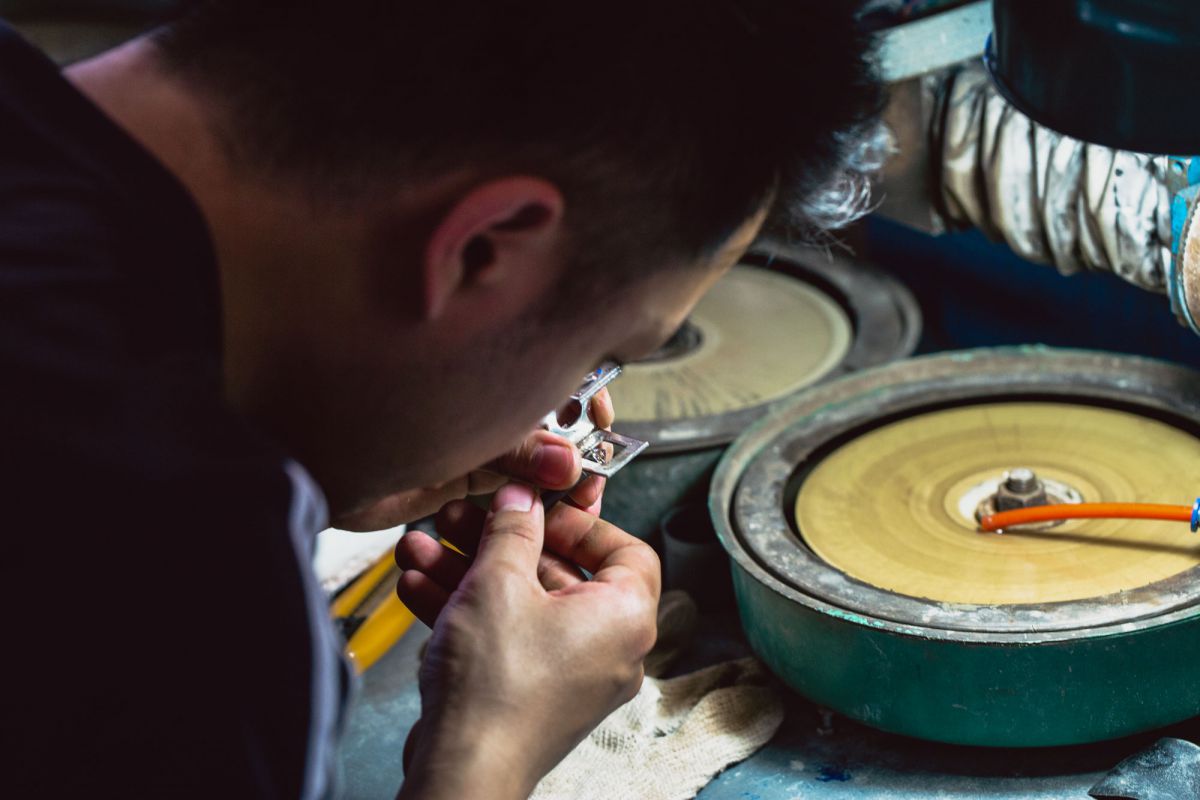
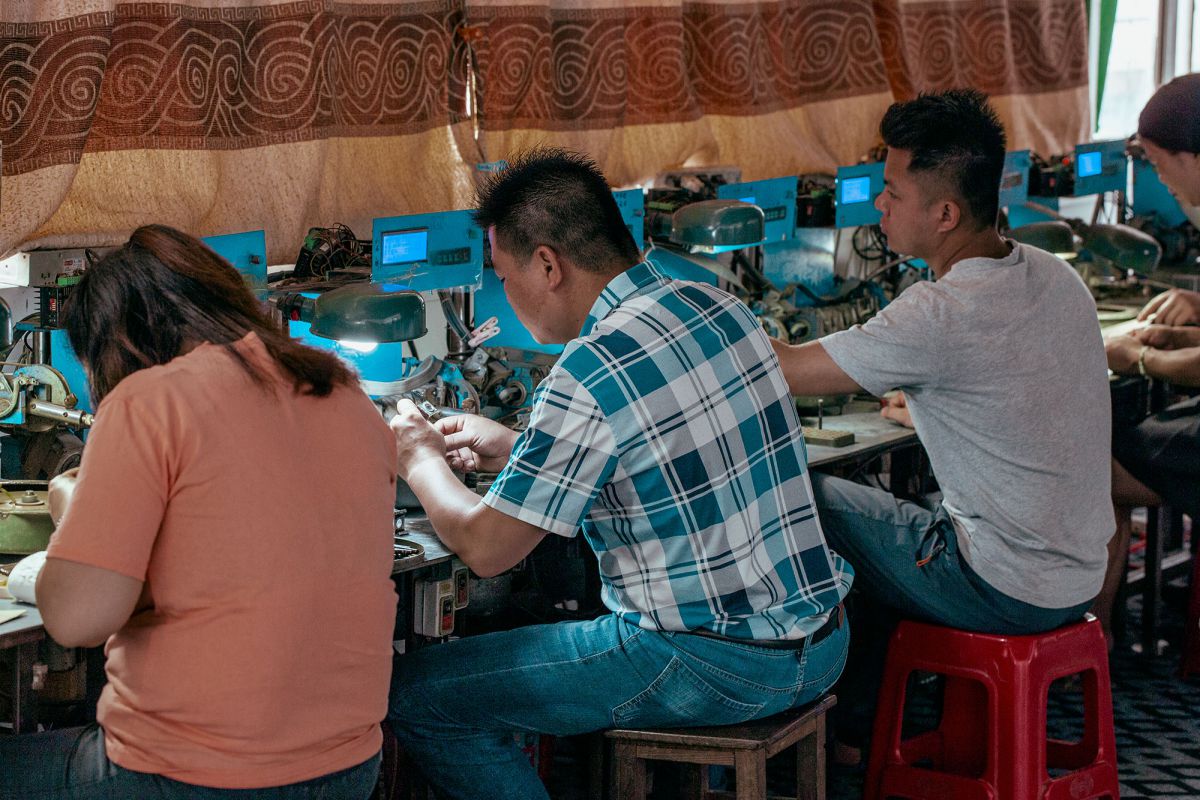
Request a production video, business license, export records and a paid sample run. A factory that accepts a 50-piece test order is usually a real manufacturer.
What payment terms do you offer?
30% T/T deposit with the balance against the bill of lading. This protects both sides on first orders and can move to net terms after a track record.
What is your normal reject rate?
3–5% under 10x loupe inspection for cast and set pieces. Defective units are replaced free in the next shipment.
Where is the factory located?
Wuzhou, Guangxi, China—the core lab-grown and moissanite manufacturing cluster. Shipments go via Guangzhou or Shenzhen ports.
Send your spec sheet — stone, cut, size, plating and quantity — and we will return a costed timeline.
Ask the workshop