Bracelets & Bangles
The Charm Bracelet: A Living Bridal and Engagement Tradition
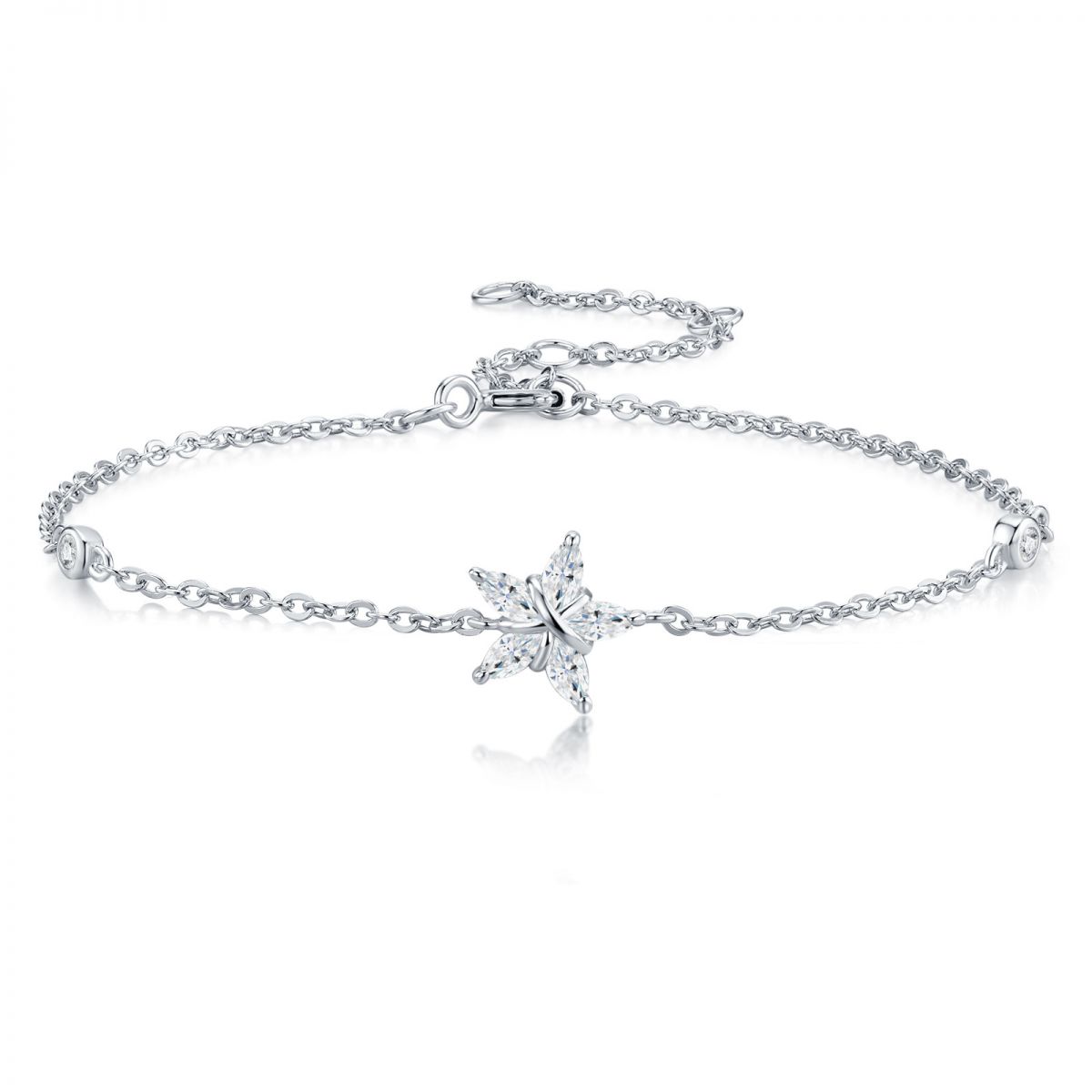
Most bridal jewelry is chosen in a rush, in a few weeks between the proposal and the big day. The charm bracelet works differently. It begins as a single small object on a delicate chain, then gains a new bead or trinket each time a milestone passes: the engagement, the wedding, the first home, the birth of a child. That slow accumulation is exactly what makes it one of the most sentimental gifts a couple can own.
A tradition with real staying power
Charm bracelets have deep roots in European and American jewelry culture, where travelers carried charms from each destination and families passed bracelets down through generations. In a bridal context, the modern charm bracelet is a cleaner, more minimalist descendant: a fine gold or silver chain with screw-on or clip-on charms rather than heavy figurines. It reads as personal rather than costumed, which is why it fits comfortably alongside a tennis bracelet or a watch.
The natural gifting moments
The bracelet itself is the engagement or shower gift, and each charm is a future present. Mothers of the bride often start the bracelet with one sentimental piece, such as a tiny heart or a family birthstone. The couple adds a charm on the wedding day, then one on each anniversary. This creates a repeat gifting loop that keeps a client coming back for decades, which is a rare and valuable relationship for an independent jeweler. Compare it with the more immediate tradition in tennis bracelet wedding-day styling; the charm bracelet is the long-game counterpart.
Choosing the base bracelet
The chain is the foundation, so it should be sturdy but delicate. A snake chain with secure clasps works well for clip-on charms, while a simple cable chain suits smaller dangling pieces. Wrist sizing matters because a charm bracelet should slide comfortably with a little room; our wrist sizing and fit guide applies the same measuring logic. Advise clients to leave about a finger of extra room, since charms add weight and the bracelet should not sit rigid on the bone.
Clasp safety and everyday wear
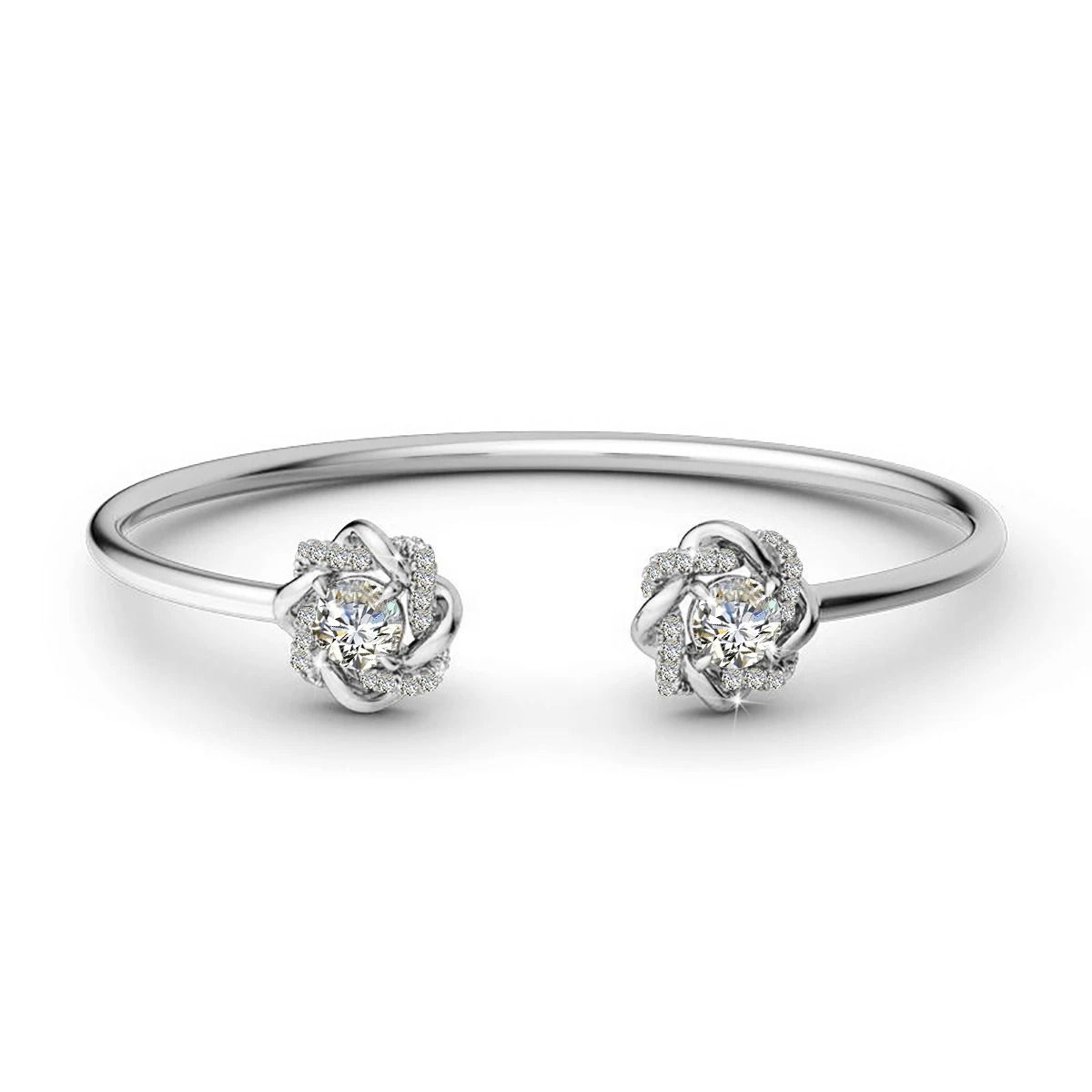
Because charms dangle and occasionally catch, the clasp is the weak point. Recommend a lobster clasp with a safety catch rather than a simple spring ring. Periodic checks, covered in clasp safety and drop protection, keep charms from working loose over years of wear. For brides who stack, a charm bracelet layers beautifully with a slim bangle; see tennis bracelet layered with bangle stacking for balance tips.
Modern styling sensibilities
Today's brides lean toward edited charm bracelets rather than crowded ones: four to eight meaningful pieces on a fine chain, spaced deliberately. Mixing metals is fine, and many couples choose one charm in yellow gold to honor the wedding band. Birthstones, initials, and tiny symbolic objects read as intentional without tipping into kitsch, which keeps the bracelet wearable at the office and at formal events alike.
The retail opportunity
Sell the base bracelet as a foundational piece, then curate a small permanent charm selection: hearts, stars, birthstones, mini rings, and travel motifs. Position it as an heirloom-in-progress, not a novelty. Brides who start a charm bracelet at their engagement tend to return for charms on every anniversary, making it one of the most loyalty-driving products a bridal store can carry.
Starting the bracelet story
The most successful charm bracelets begin with a clear narrative rather than a pile of random trinkets. Suggest starting with two or three meaningful pieces, then adding one per milestone. The engagement charm might be a tiny ring; the wedding charm a heart or a date engraving; anniversaries add travel motifs that reflect where the couple went. This curated approach keeps the bracelet elegant and wearable, and it gives the couple a shared ritual. Retailers who document that story in a small card alongside the box create a gifting experience that customers remember and photograph.
Who it suits and styling limits
Charm bracelets are ideal for sentimental brides and for mothers who want to gift something that grows with the new family. They are less suited to clients who prefer completely smooth, minimalist jewelry, since the dangling pieces move and catch. For active wearers, a slider or clip-on charm on a sturdier chain reduces movement. Layer it with a slim bangle rather than another heavy bracelet to keep the wrist balanced, as outlined in stackable bracelet trends. Done well, a charm bracelet becomes the piece a woman never takes off because it literally tells her story.
What begins as a single charm on a quiet chain grows into a bracelet no one else in the world owns. That is the lasting appeal of the tradition, and the reason it keeps finding its way onto brides' wrists.
It costs little to start and means everything to keep, which is the quiet secret behind its enduring place in bridal jewelry.
The ASTM F2923 standard for children’s jewelry safety defines the consumer-safety limits applied to children’s jewelry.
Authoritative References
For buyers who need to verify the technical and regulatory basis of this guide, the following independent institutions publish authoritative reference data:
- ISO 9001 Quality Management - the international standard for consistent production quality.
- Wikipedia: Jewelry - manufacturing processes, materials and global trade background.
Frequently Asked Questions
What ring sizes can you supply in bulk?
US sizes 5–12 including half sizes. Send a size breakdown with your order and we cast to that curve; comfort-fit inner bands reduce resize requests.
Can I order a mixed size run instead of one size?
Yes. Mixed runs are standard for wholesale: specify quantity per size and we pack and label by size at no extra labor cost.
What is the MOQ for custom ring designs?
50 pieces per design for existing molds; 100–300 pieces when a new mold or CAD model is required.
How should I price rings for retail margin?
Most partners use a 3–4x markup on FOB cost for sterling and 2.5–3x for moissanite solos, which keeps landed cost under 30% of retail.
Send your spec sheet — stone, cut, size, plating and quantity — and we will return a costed timeline.
Ask the workshop