Bracelets & Bangles
Which Bracelet Sizes to Stock: A Bridal Buyer's Size-Range Plan
Bracelets are the most returned bridal accessory in a boutique, and the reason is almost never style. It is fit. A bride tries a tennis bracelet on in the store, it slides past her knuckles, and she buys it because the sparkle is right. At home on the wedding day, over a gown sleeve or a glove, it sits wrong, and it comes back. Buyers who treat bracelet sizing as an afterthought end up with a drawer of returns and no repeat customer. A deliberate size-range stocking plan solves most of this before the bracelet ever reaches the shelf.
Returns policy and fit guarantees
Even with a measured fitting, some bracelets come back. The most common reason is that the bride measured her wrist in the shop on a cool morning, and by the wedding day her wrist is swollen from travel, champagne and a long day. A clear, generous returns policy on bridal bracelets is worth the small cost: accept returns for exchange up to thirty days after the wedding, and offer a free resizing on fixed-chain pieces where a link can be removed. Brides who know the bracelet can be exchanged buy more boldly, and the return rate on a well-measured piece is under five percent. The policy itself becomes a selling point, because most boutiques quietly refuse returns on bridal accessories after the event.
The wrist size that actually sells
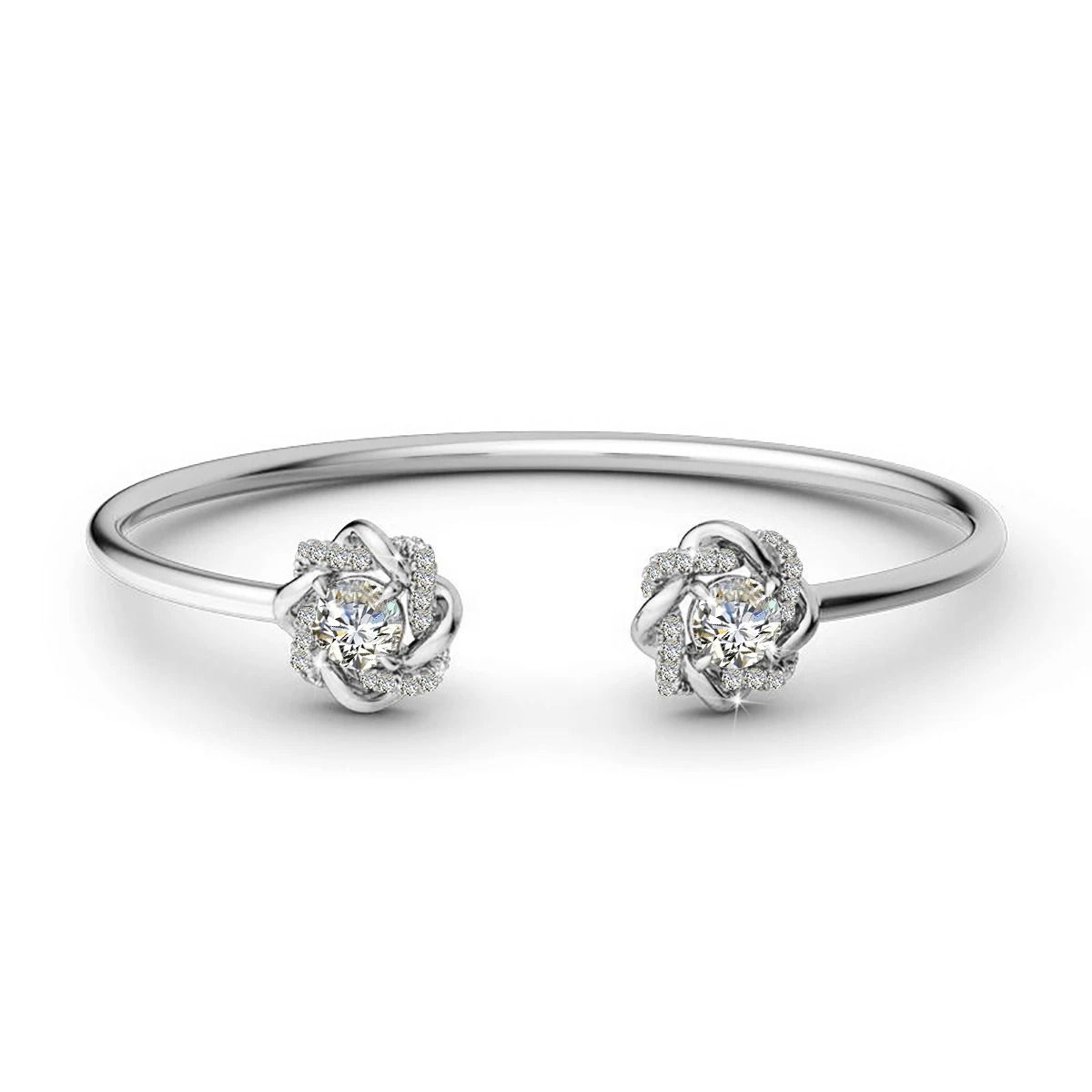
The average adult female wrist in bridal clientele measures 6.5 to 7 inches around the wrist bone. This is the size that moves fastest, and it is the size to stock deepest. The second most common is 6 inches, for slimmer wrists, and the third is 7.5 inches. Below 6 inches and above 7.5 inches is the long tail: carry one sample of each so the bride can try, but order on demand rather than stocking depth. For bangles, which cannot be sized down, the opening and inner diameter matter more than the wrist measurement; a 2.5-inch inner diameter bangle fits most wrists from 6 to 7 inches, and a 2.7-inch diameter covers the larger end.
Stretch versus fixed sizing
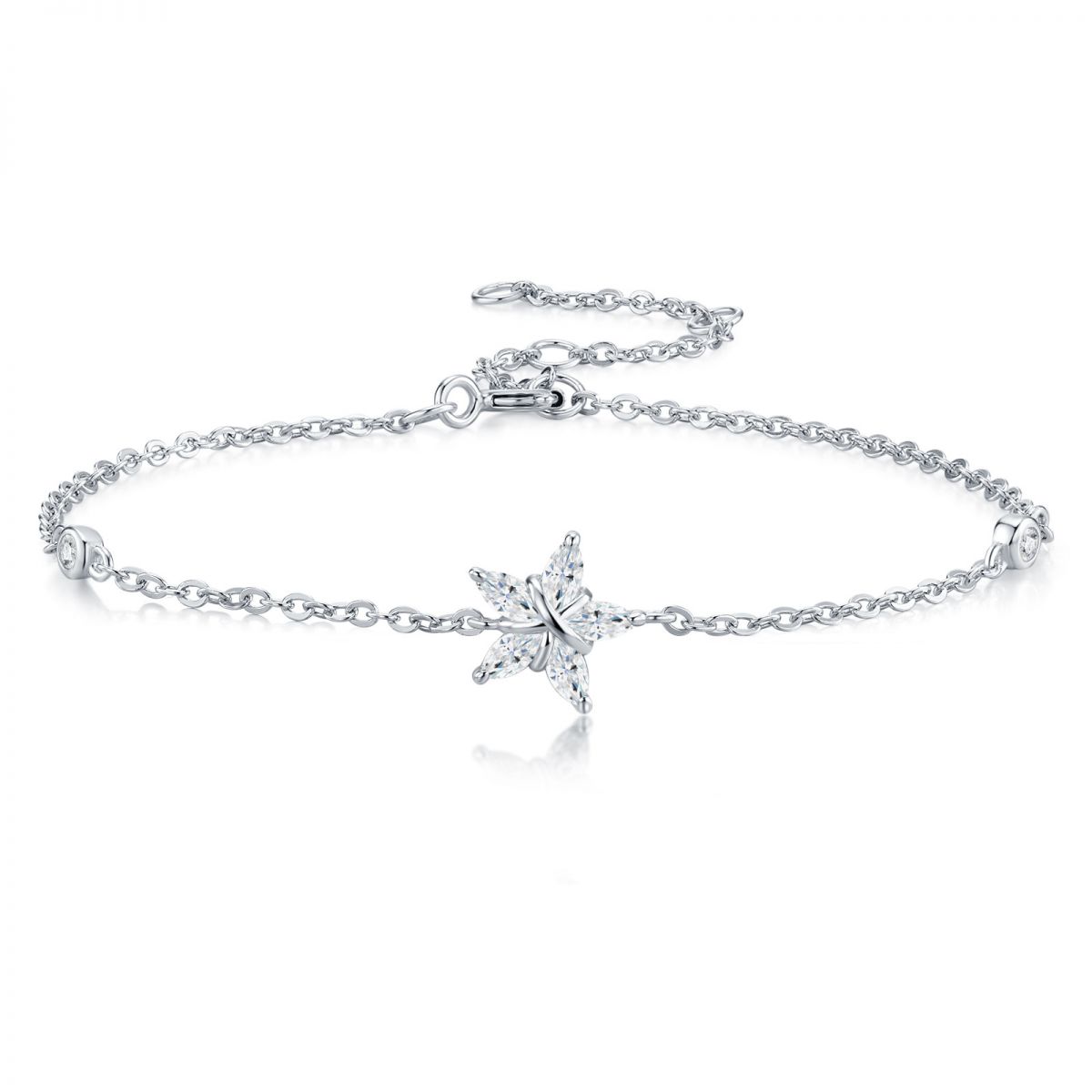
Stretch bracelets solve the size problem at the entry tier, but they have two drawbacks for bridal. They read less formal than a fixed tennis bracelet or bangle, and they lose elasticity over years of wear, which matters for a piece the bride expects to keep. Use stretch pieces for the entry-tier bridesmaid-gift buyer and for the trial accessory wall, not for the main bridal tier. Fixed sizing with a lobster clasp and an extender chain (adding one inch of adjustable length) is the sweet spot for the bridal tier: it reads as fine jewelry and covers the 6.5 to 7.5 inch range with one SKU.
Half-size demand and reorder depth
Bracelets do not need half-sizes the way rings do, but they do need a length range. For fixed tennis bracelets, stock 6.5 inches and 7 inches as the two core sizes, and add one 7.5-inch for larger wrists. For bangles, stock one inner diameter in each of 2.5 and 2.7 inches. Reorder depth should be weighted: three units at the core size, two at the secondary size, one at the long-tail size. This is the inverse of what most boutiques do, which is to buy one of each size and run out of the one that sells.
How to measure the bride in the store
A cheap fabric tape measure solves the return problem. Train staff to measure the wrist bone, not the palm, and to add a half inch for a bracelet that should sit with a finger-width of slack. For bangles, measure the widest part of the hand with the thumb tucked in, because a bangle has to pass over the hand. A bride who is measured in the store does not return for fit, and she tells friends that the boutique took the time to get it right. That referral is worth more than the bracelet itself.
What to ask your supplier
Confirm whether the bracelet ships with an extender chain and whether the clasp is a lobster claw rather than a spring ring, which brides find fiddly. Ask whether the bracelet can be shortened by removing a link, because some chain designs are fixed and others are modular. our moissanite bracelets ship in the three core sizes listed above, with extender chains standard on the tennis styles, so the size-range plan above maps directly onto the catalog without custom orders.
Fit is the one part of the bridal accessory transaction you can fully control. Measure the wrist, stock the core sizes, and the returns and referrals take care of themselves. A well-sized bracelet is a quiet detail the bride notices for years, and she will remember who took the time to measure her wrist instead of guessing from a stock photo.
For third-party reference, the Wikipedia article on moissanite details moissanite’s discovery, optical properties and use in jewelry.
Frequently Asked Questions
What bracelet materials sell best for wholesale?
316L stainless steel and 925 sterling silver. Steel is price-stable and tarnish-resistant; silver captures the gift segment at a higher ticket.
Do you offer mixed-material stacking sets?
Yes. Stacking sets of two to five bands are assembled and packed as a single SKU, which raises average order value without extra inventory.
How do I handle sizing for bracelets?
Bracelet sizing is forgiving: 7 inch fits most women and 8 inch most men. Offer both and note the measurement in your listing.
What is the MOQ and lead time?
50 pieces per design, samples 3–5 days, bulk 15–20 days.
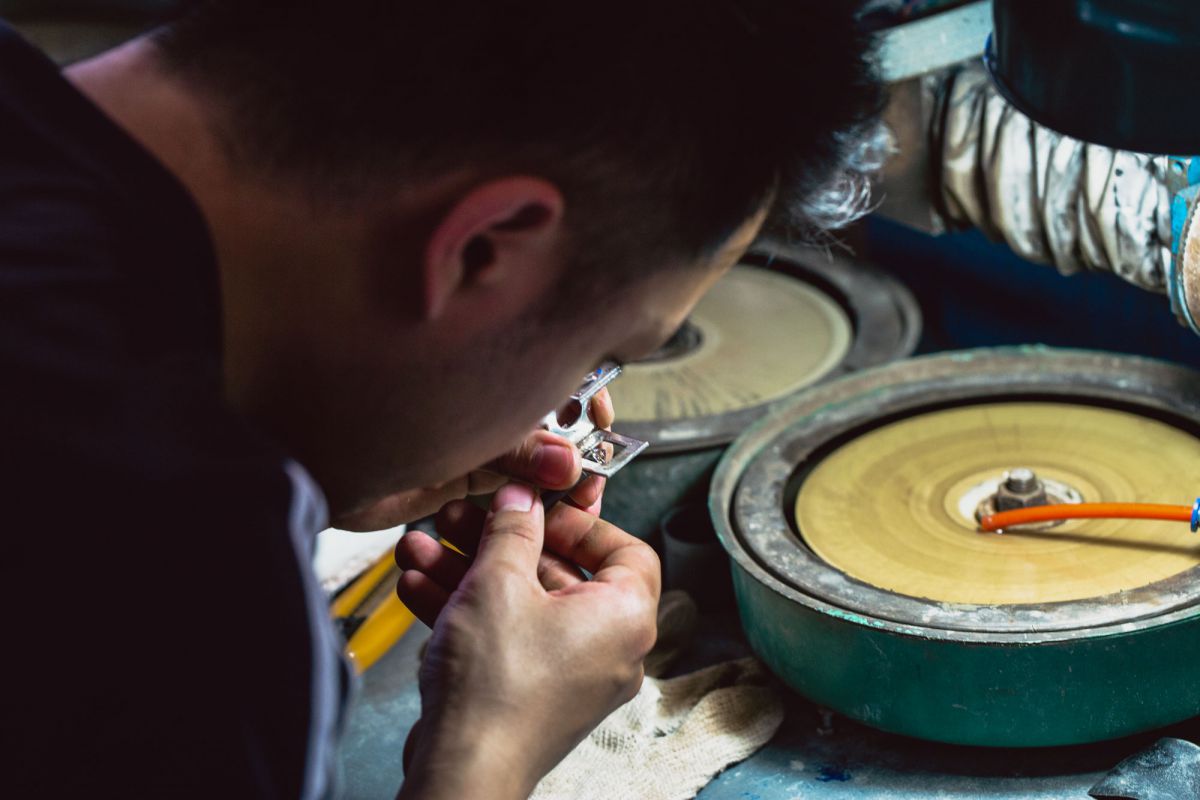
Send your spec sheet — stone, cut, size, plating and quantity — and we will return a costed timeline.
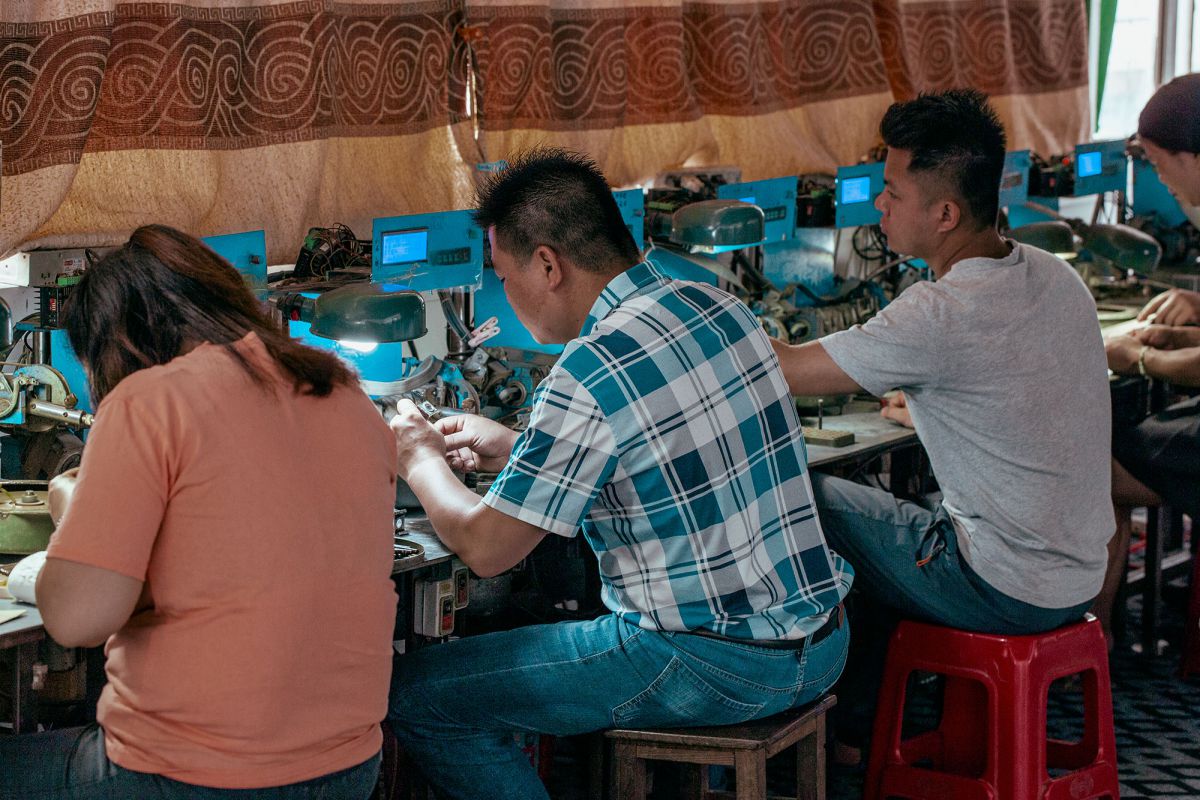
Ask the workshop