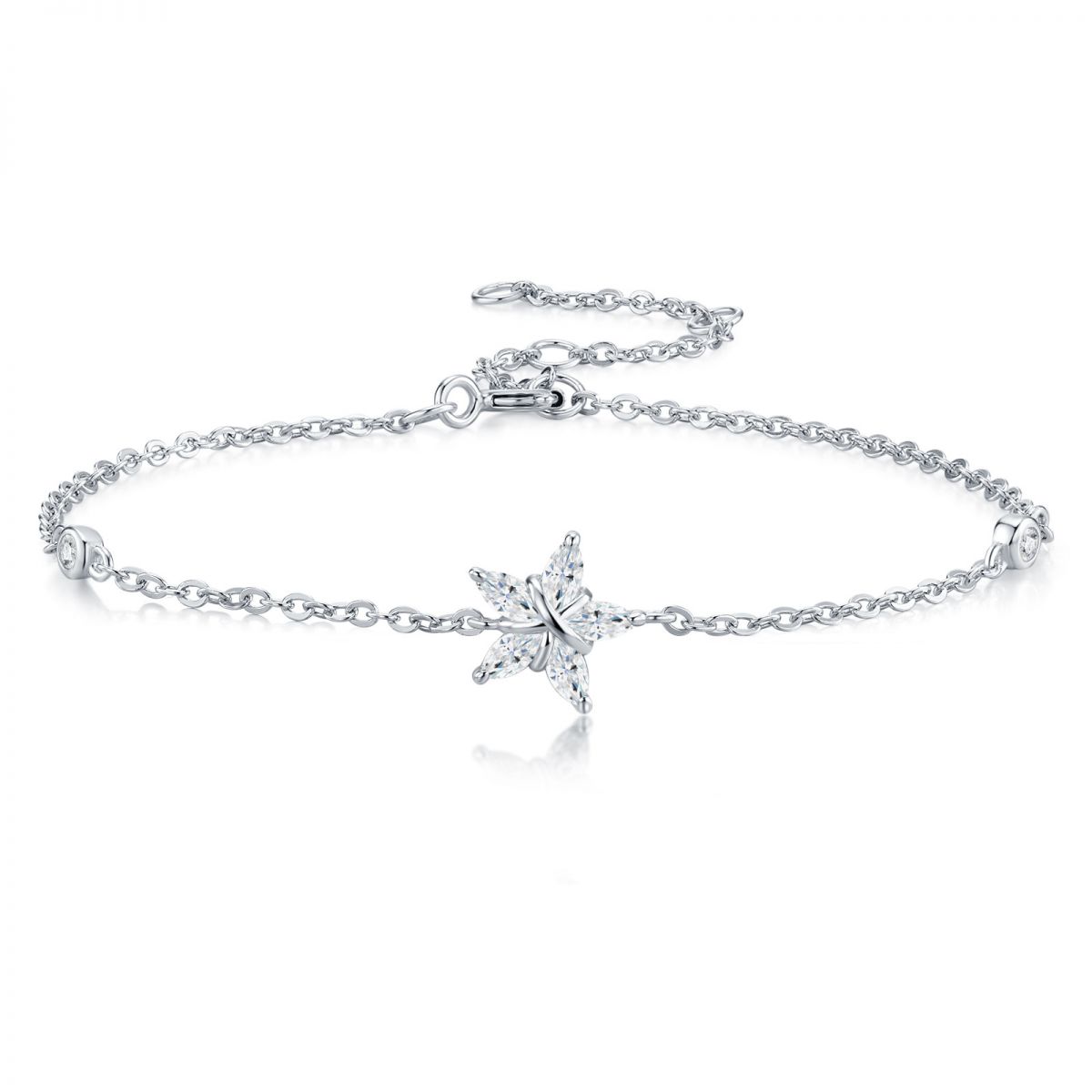
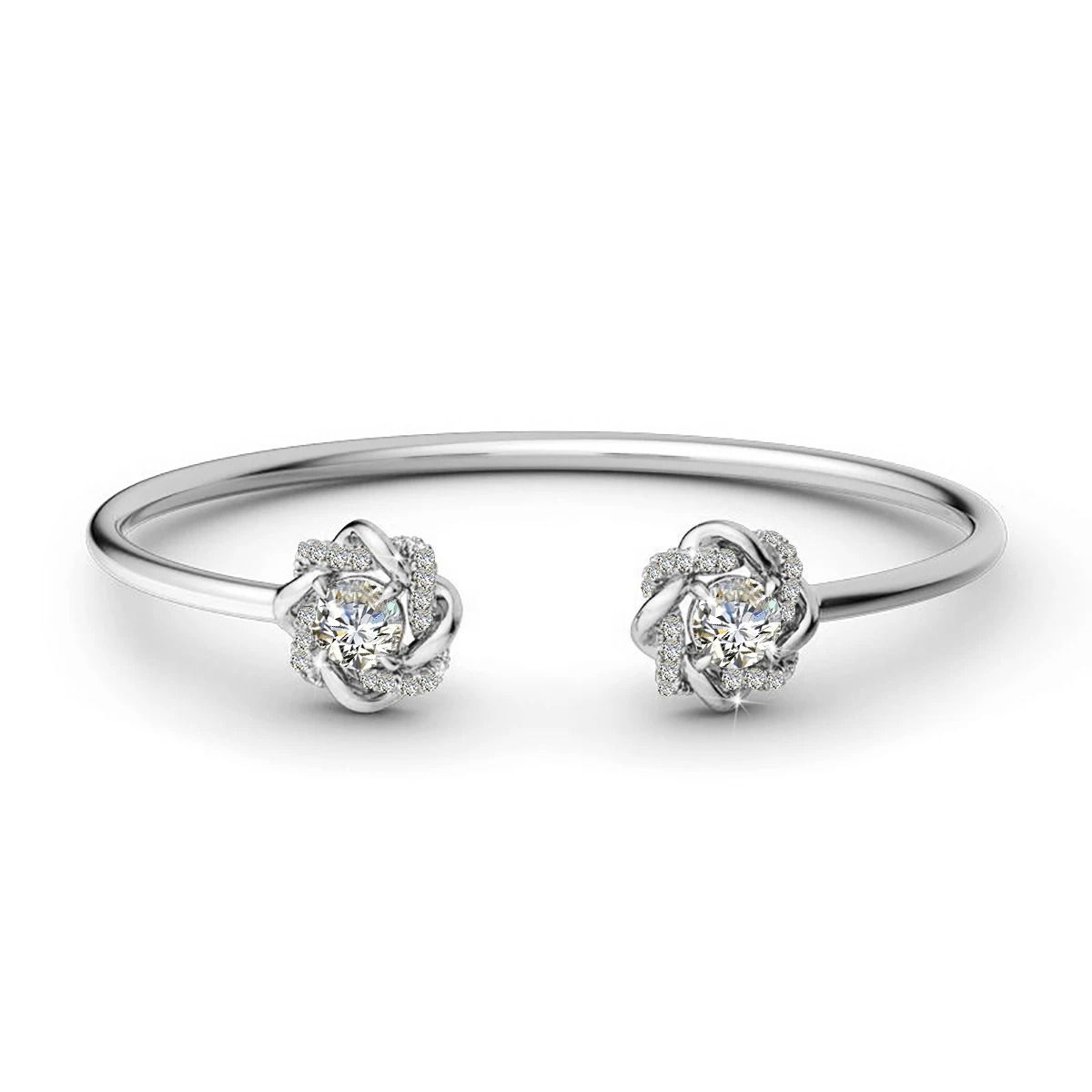
Bracelets & Bangles
Bracelets & Bangles Wholesale: plating & care
Why Plating Tarnish Matters for Bracelets & Bangles Buyers
Tarnish on plated bracelets and bangles is the most common complaint wholesale buyers face when reselling jewelry, and it is largely preventable through informed sourcing decisions. Bracelets & Bangles sit in a uniquely vulnerable position compared to rings or earrings: they flex with wrist movement, rub against clothing and desk surfaces, and encounter hand lotion, soap, and sweat throughout the day. All of these factors accelerate the breakdown of a plating layer.
For a US wholesale buyer, understanding why plating wears off, which base metals and plating thicknesses hold up, and what care guidance to pass along to retail customers will directly affect return rates, reviews, and repeat orders.
This article walks through the practical decisions: choosing between 925 sterling silver, gold vermeil, and gold plated bangles; understanding plating thickness and protective coatings; sampling before committing to bulk; and building care instructions into your product packaging and listings.
The Metals Behind the Finish: What You Are Actually Buying
The single most important decision is what sits under the plating. B2B listings should name the true base metal, and you should expect the same clarity from your supplier. The main options for wholesale bracelets and bangles are:
- 925 sterling silver, either left bare with a rhodium anti-tarnish finish or finished with gold plating
- Gold vermeil, defined as a thick gold layer over sterling silver
- Gold plated brass or copper alloy, the most economical tier
- 10K, 14K, or 18K solid gold for buyers serving a premium price point
Sterling silver bases are the most stable option under plating. Brass and copper alloys are more reactive, and if the plating wears thin, exposed copper causes visible skin discoloration that generates customer complaints. Vermeil over 925 sterling silver offers a middle path: if the gold layer wears down, the exposed surface is still silver rather than a base alloy, which keeps the piece wearable and sellable.
Solid gold at 10K, 14K, or 18K does not rely on plating at all, which removes tarnish from the conversation entirely and shifts the selling point to lasting value.
How Plating Thickness Affects Wear Life
Gold plating is measured in microns, and thickness is the main variable determining how long a bangle keeps its color under daily friction. Thin flash plating of a fraction of a micron wears through on high-contact items like bangles within weeks of regular wear. Vermeil requires a substantially thicker gold layer, which is why it resists wear longer than standard plating on the same base.
When you request quotes from suppliers, ask for the plating micron spec in writing rather than relying on photos, since two similarly priced bangles can differ significantly in gold thickness.
E-Coating and Anti-Tarnish Treatments
Many wholesale suppliers apply a clear protective lacquer or e-coat over the plated finish. This transparent sealant slows contact between the metal surface and sweat, air, and chemicals, extending the visible life of the plating. E-coating is not invincible; it scratches and wears at contact points, but on bangles it meaningfully delays the onset of dullness and color change.
Ask your supplier whether e-coat is standard on your chosen style or available as an option, and factor it into your sampling evaluation by testing a sample under wear conditions before approving bulk production.
Matching the Finish Tier to Your Customer
Different retail channels justify different metal and plating choices. A fast-fashion buyer restocking trend-driven pieces at low price points can work with gold plated brass and communicate care limitations honestly. A boutique selling gift jewelry will see fewer returns with gold vermeil or sterling silver with a rhodium finish. Fine jewelry retailers should move to 14K or 18K solid gold, where tarnish stops being a concern and the conversation shifts to durability and long-term value.
The table below summarizes the practical trade-offs across the common finish tiers for wholesale bracelets and bangles.
| Finish tier | Base metal | Tarnish behavior | Best suited buyer |
|---|---|---|---|
| Gold plated | Brass or copper alloy | Wears first at contact points | Trend and volume retailers |
| Gold vermeil | 925 sterling silver | Slower wear, silver beneath | Boutiques and gift sellers |
| Rhodium finished silver | 925 sterling silver | Anti-tarnish barrier layer | Silver-focused retailers |
| Solid gold | 10K/14K/18K gold | No plating to wear off | Fine jewelry stores |
Use this comparison to align your price tier with customer expectations. Selling plated bangles at vermeil-level prices without explaining the difference invites returns; selling vermeil at plated prices leaves margin on the table.
Why Bangles Tarnish Faster Than Other Jewelry
Bangles take more mechanical abuse than most categories. Cuffs flex when a customer slides them on, chain bracelets rub against keyboards and sleeves, and clasps experience constant stress. Friction is the enemy of plating: every rub against skin, fabric, or another metal surface removes microscopic amounts of gold. Sweat adds a chemical dimension, as its salts and acids attack both the plating and any exposed base metal.
Buyers should evaluate samples for build quality at stress points, including reinforced clasps on bracelets and adequate thickness at flex points on cuffs, because a broken or peeling finish at those spots is what customers photograph for their complaints.
Quality Control: Verifying Plating Before Bulk Production
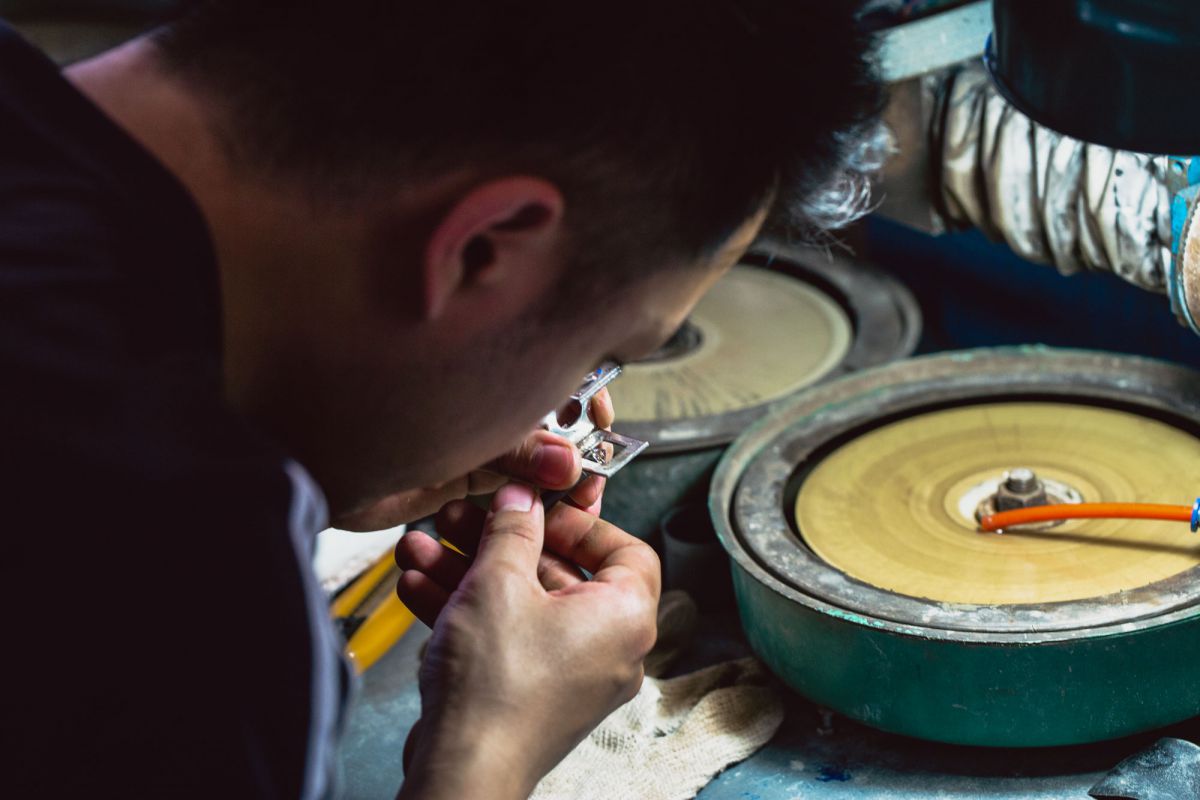
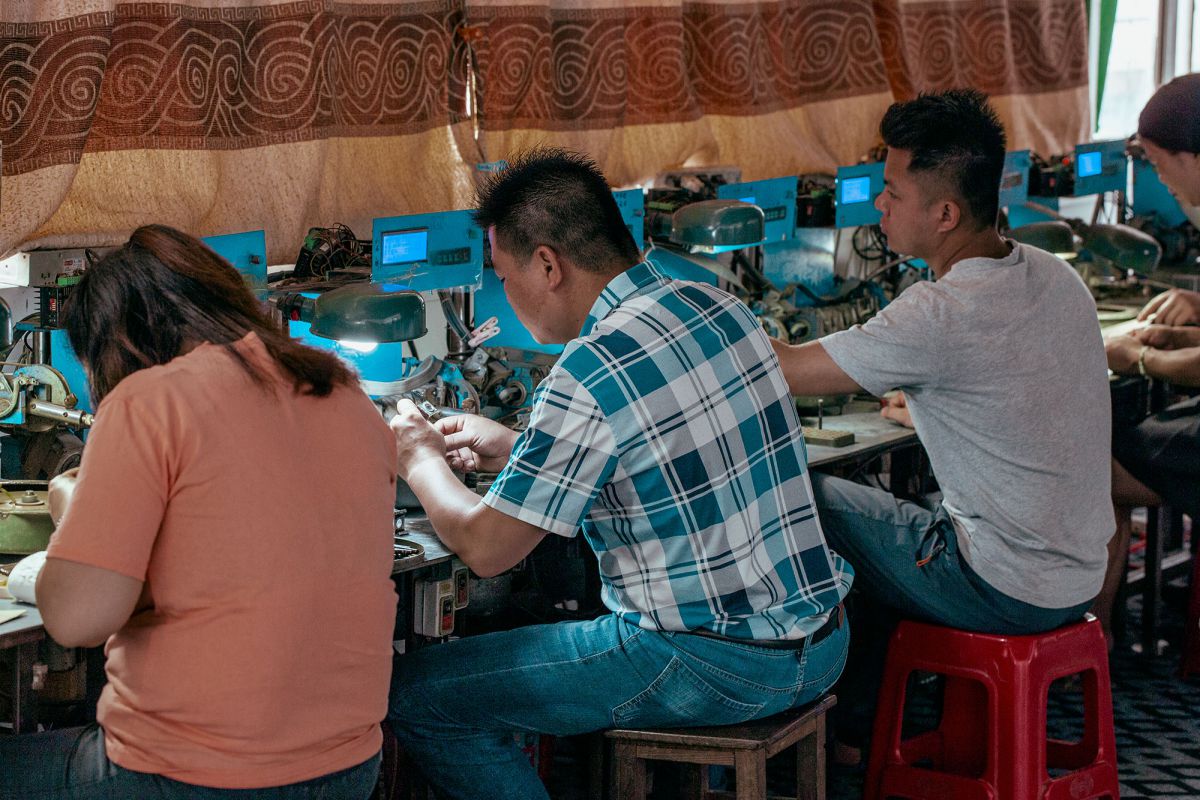
Plating problems are cheapest to catch before production. Work with a supplier that operates a three-stage QC process: incoming inspection of raw materials and stones, in-process checks during production and plating, and a pre-ship AQL inspection before cartons leave the factory. The pre-ship AQL stage is where finish quality can be verified at scale, checking color consistency across the batch and surface defects on plated surfaces.
For styles set with stones, confirm that graded stones ship with GRA or IGI papers so your documentation matches the product. When you approve bulk, request the production timeline in writing: sampling typically takes 7 to 10 days, and bulk production runs 15 to 25 days after approval. Payment terms for new wholesale orders are commonly structured as T/T with a 30 percent deposit and the 70 percent balance before shipment, while PayPal is available for sample orders.
Loose stones for bracelet settings are quoted per carat, and finished pieces are priced per piece, so clarify the basis before comparing suppliers.
Sample Testing Protocol for Plated Bracelets
Before committing to a bulk order, put sample bangles through a simple wear test. Wear or have a team member wear each sample for a full week of normal activity, including handwashing. Inspect daily for color change at high-contact zones: the inner wrist, clasp edges, and the back of cuffs. Compare the tested sample against an untouched control sample under consistent lighting.
A plating job that shows visible dulling within a week of normal wear will generate complaints quickly at retail; one that holds color through the test has passed the most relevant benchmark a buyer can run without lab equipment.
Moissanite Accents and Honest Product Descriptions
Many wholesale bracelets and bangles in the plated and vermeil tiers feature moissanite accents as an affordable sparkle upgrade. Moissanite is a lab-created diamond alternative, not a natural or real diamond, and your listings should describe it exactly that way. Pairing accurate moissanite language with accurate metal language, such as gold vermeil over 925 sterling silver rather than vague gold jewelry claims, protects you from chargebacks and marketplace penalties while building customer trust.
Writing Care Instructions That Reduce Returns
Care guidance is a marketing asset as much as a service. Include a care card in every wholesale order you resell, and mirror the language in your online listings. Clear, honest care instructions set expectations and reduce the number of customers who interpret normal plating wear as a defect. Core guidance to include:
- Remove plated bracelets and bangles before showering, swimming, or applying lotion and perfume
- Wipe the finish with a soft, dry cloth after wear and store pieces separately in a sealed pouch
- Avoid contact with household cleaners, chlorine, and saltwater, which accelerate plating breakdown
- Put jewelry on after dressing and take it off before undressing to limit snagging and friction
- For sterling silver without plating, use a polishing cloth to restore brightness as needed
For solid gold pieces, care instructions simplify to avoiding harsh chemicals and storing pieces separately to prevent scratching. Communicating these differences by tier signals to retail customers that you understand the product, which supports your pricing.
Logistics and Delivery Considerations for US Buyers
Once your bulk order passes pre-ship inspection, shipping speed affects your restock planning. DDP delivery to the US takes 5 to 8 days, with duties and shipping handled by the supplier, so landed cost per piece is predictable and you avoid surprise brokerage fees at import.
Build that window into your reorder cycle so plated bestsellers do not sit out of stock during peak selling seasons, when a tarnish-related return on your last few units is a loss you cannot quickly replace.
Order Terms for Wholesale Buyers
MOQ is 1 piece for stock styles and 30 pieces for custom work, and loose stones are sold by the carat. Sampling takes 7 to 10 days, and bulk production runs 15 to 25 days after the sample is approved. Pricing is quoted per piece or per carat depending on the item. Payment is T/T with a 30% deposit and the 70% balance before shipment, and PayPal is accepted for sample orders.
Frequently Asked Questions
What is the minimum order quantity for wholesale bracelets and bangles?
Stock styles can be ordered at an MOQ of 1 piece, which makes sampling and small-market testing straightforward. Custom work requires an MOQ of 30 pieces per style. Loose stones are sold by the carat and priced separately from finished pieces.
How long do sampling and bulk production take?
Sampling takes 7 to 10 days so you can run wear tests on plated finishes before committing. Bulk production takes 15 to 25 days after you approve the sample. DDP delivery to the US adds 5 to 8 days on top of production.
How can I tell if a bangle is gold vermeil or standard gold plated?
Ask the supplier for the base metal and plating thickness specification in writing. Vermeil means a thick gold layer over 925 sterling silver, while standard plating typically sits on brass or a copper alloy. Confirm the spec on the sample and verify it again during the pre-ship AQL inspection.
What payment terms should I expect on a bulk bracelet order?
Bulk orders use T/T with a 30 percent deposit and the 70 percent balance before shipment. Sample orders can be paid through PayPal, which keeps initial testing low-risk. Pricing is quoted per piece for finished jewelry and per carat for loose stones.
Does rhodium finishing stop sterling silver from tarnishing?
Rhodium forms a protective barrier over 925 sterling silver that slows tarnish substantially, though the layer can wear at high-friction points over time. It is a practical choice for silver bangles sold to retail customers who want a bright, low-maintenance finish. A polishing cloth restores the underlying silver if the rhodium layer eventually thins.
Plan Your Bracelets & Bangles Program With Confidence
Plating tarnish is a solvable sourcing problem when you control the variables: the base metal, the plating thickness, the protective finish, and the care guidance that reaches your retail customer. Start by testing samples through a wear protocol, verify the spec in writing, and align each finish tier with the price point and expectations of your channel.
Our wholesale jewelry blog covers more buying guides like this one, and you can contact our sales team to request samples or a quote on bracelets and bangles. For answers on MOQs, QC, and shipping terms, review our frequently asked questions page.
Sources: Grading references: GIA gem education and GIA laboratory information.
Send your spec sheet — stone, cut, size, plating and quantity — and we will return a costed timeline.
Ask the workshop