Bracelets & Bangles
Three Bracelets & Bangles Samples Worth Requesting First - GemWSL
Buyers do not fail on bracelets & bangles because the design is wrong; they fail because the range was never read as a range.
Sampling is a decision, not a formality
A sample request that returns three pieces from the same shelf teaches you nothing. The point is to test the edges of the range: the most common build, the cheapest build, and the one you are least sure about. The range holds 312 designs in this category.
925 sterling silver accounts for 93% of the designs.
Anything outside the 925 sterling silver group is a minority build, and minority builds are where a reorder date slips.
Read the metal line as a lead time signal: 925 sterling silver at 93% is the path production already runs every week.
What each sample is for
| Sample | What it tests | Pass condition |
|---|---|---|
| The volume build | Repeatability of the main look | Matches the sheet, no finish drift |
| The entry-price build | Where cost is removed | Removal is disclosed, not hidden |
| The edge case | Whether the range can stretch | Answer is a clear yes or no |
Lab grown diamond is the dominant stone at 67%; moissanite makes up 28%.
A range of 312 designs is deep enough that a shortlist of six can be drawn without leaving a price slot empty.
Reading the volume build
This is the design that appears most often in the range, so it is the one that will be reordered. Check the setting from both sides, the polish at the shank, and whether the stone sits level.
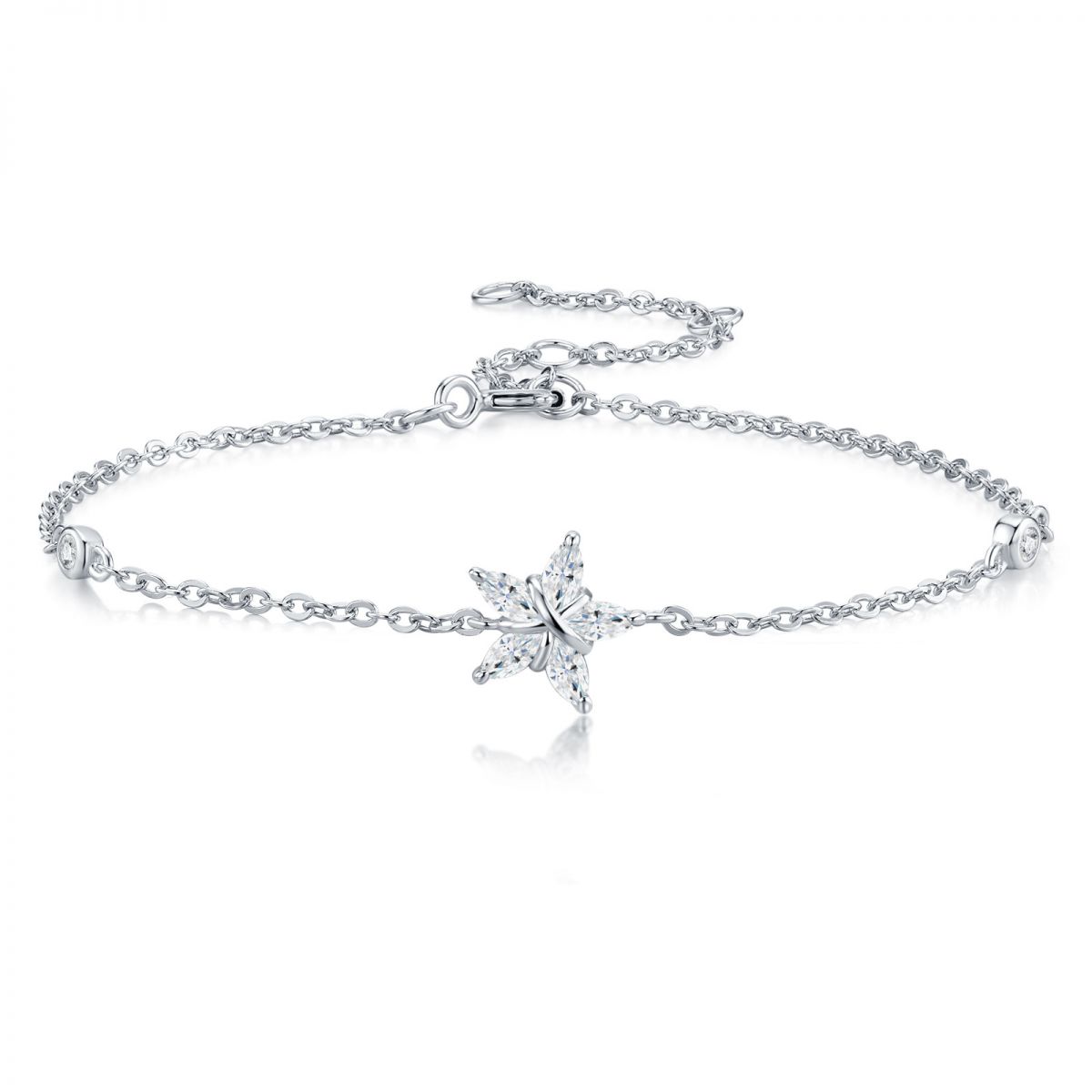
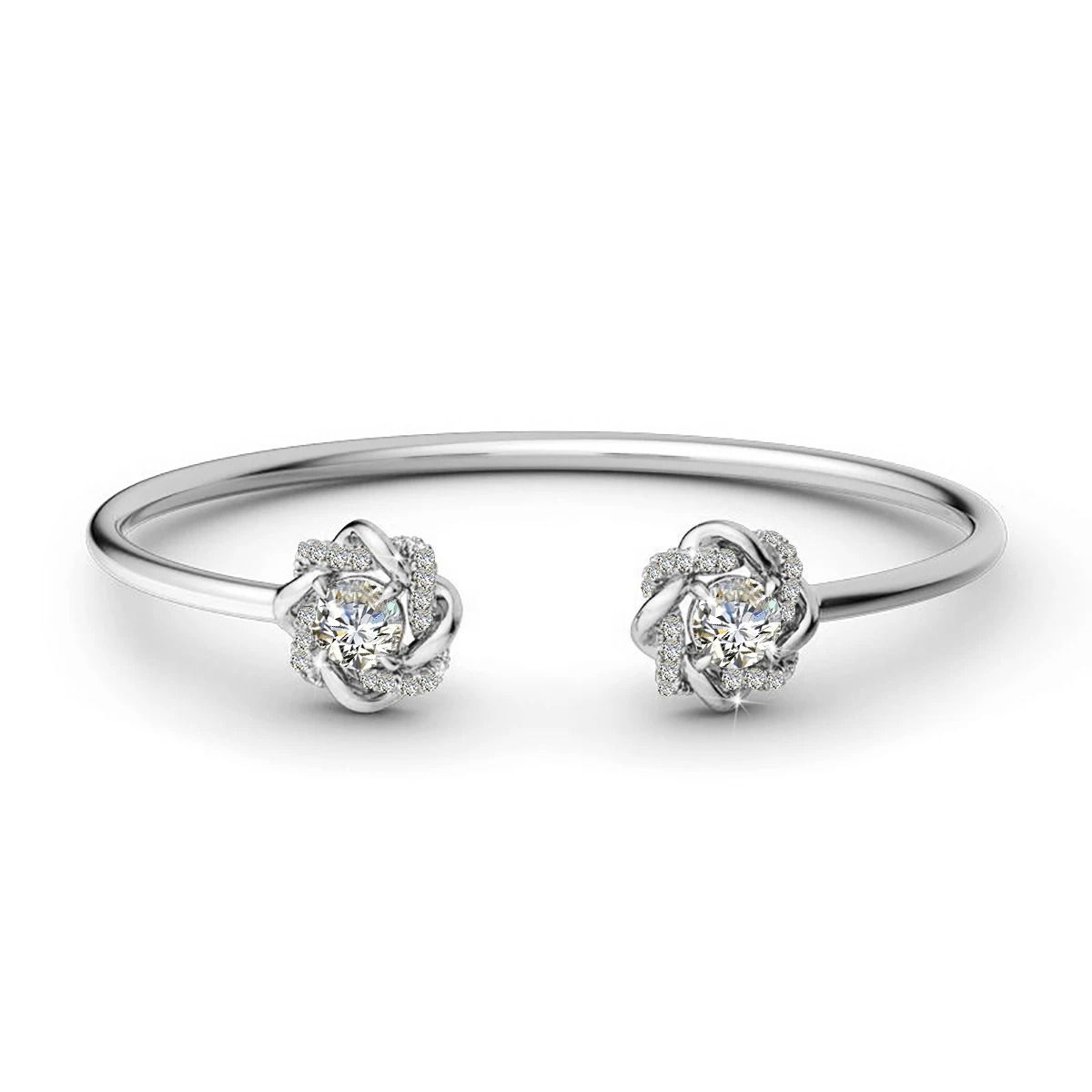
Reference designs in the range include Star Station Chain Bracelet; Heart CZ Tennis Bracelet; Vine Branch Cuff Bracelet.
The stone concentration matters at the listing level: 67% of the range can be described with one consistent disclosure line.
Reading the entry-price build honestly
Every catalog has a cheaper line, and the difference is always somewhere: thinner plating, a smaller stone, a simpler setting. The question is whether that difference is disclosed. If it is, the design is usable at the low end.
- Ask what was removed to reach the price
- Confirm the wear window in writing
- Check that the care instructions match the build
The figure of 312 is worth reconciling against your own shortlist before the quote, because it sets how much of the buy can be stock.
At $111.52 median, the middle of the range is where most reorders land, and the two ends are sample territory.
What to do with the answers
Three samples that pass give you a shortlist you can order from. Three that fail tell you which part of the range to avoid, which is equally useful and much cheaper than learning it on a container.
Quoted prices run from $100 to $235, with a median around $111.52.
Range snapshot: Bracelets & Bangles by the numbers
Lab grown diamond is the dominant stone at 67%; moissanite makes up 28%.
| Dimension | Reading | Buying note |
|---|---|---|
| Designs on file | 312 | Shortlist can come from stock patterns |
| Dominant metal | 925 sterling silver (93%) | Quote cycle stays short |
| Dominant stone | lab grown diamond (67%) | Sourcing already settled |
| Quoted band | $100 - $235 | Covers two price slots |
Quoted prices run from $100 to $235, with a median around $111.52. Read the snapshot before the shortlist: a category that is narrow in metal but deep in cut behaves differently from one that is the other way round.
Frequently Asked Questions
How many samples should a first order include?
Three is enough to test the main build, the entry build and one edge case. More samples mostly repeat the same information.
Do samples get credited against the order?
Policy varies by factory. Confirm before requesting, and get the answer in writing.
What is the fastest way to compare samples?
Photograph all three under the same light, then compare the setting reverse, the polish and the stone seating side by side.
Should I sample the cheapest design?
Yes, because that is the build most likely to be ordered at volume and the one most likely to generate returns if the trade-offs are hidden.
Can I request a specific size in the sample?
Usually, and you should, because size is one of the things that changes between the sample and the production run.
If you want to work from the current range rather than from a catalog PDF, send the two price slots you sell and the size bands you stock. We will reply with the designs that fit, the build on each, and the reorder path. GemWSL keeps the full range in one place.
Send your spec sheet — stone, cut, size, plating and quantity — and we will return a costed timeline.
Ask the workshop