Bracelets & Bangles
Reorder Signals for Bracelets & Bangles: What to Change on - GemWSL
The question that decides a bracelets & bangles order is rarely the one printed in the catalog.
The second order is where margin is won
The first order answers whether the factory can build the product. The second order answers whether you can buy it well. The range holds 312 designs in this category.
Most of the gain on round two comes from three changes: narrowing the shortlist, deepening the winners, and removing the designs that only looked good on a page.
Read the metal line as a lead time signal: 925 sterling silver at 93% is the path production already runs every week.
Anything outside the 925 sterling silver group is a minority build, and minority builds are where a reorder date slips.
What the range tells you before the sell-through report
| Signal | What it suggests | Round-two action |
|---|---|---|
| Design repeats early | Demand is concentrated | Deepen units, keep price |
| Even spread | Assortment is working | Hold width, test one stretch |
| One design stalls | Spec mismatch or size gap | Drop or re-sample |
| Returns cluster by field | Setting or plating issue | Change build, not photo |
925 sterling silver accounts for 93% of the designs. Lab grown diamond is the dominant stone at 67%; moissanite makes up 28%.
With 312 designs on file, the reorder path usually exists before the first order is placed.
Narrowing without losing coverage
A shortlist that shrinks from six to four should keep one design per price point. Cutting the entry build to protect the top price is the most common mistake, because the entry build is what brings new buyers into the category.
Where the stone changes, the price band usually changes with it, which is why lab grown diamond at 67% anchors the core of the range.
The three questions to ask the factory
- Which designs in my shortlist are stock and which are made to order
- What changed in the build since the first order
- Which stone or metal substitution would delay a reorder
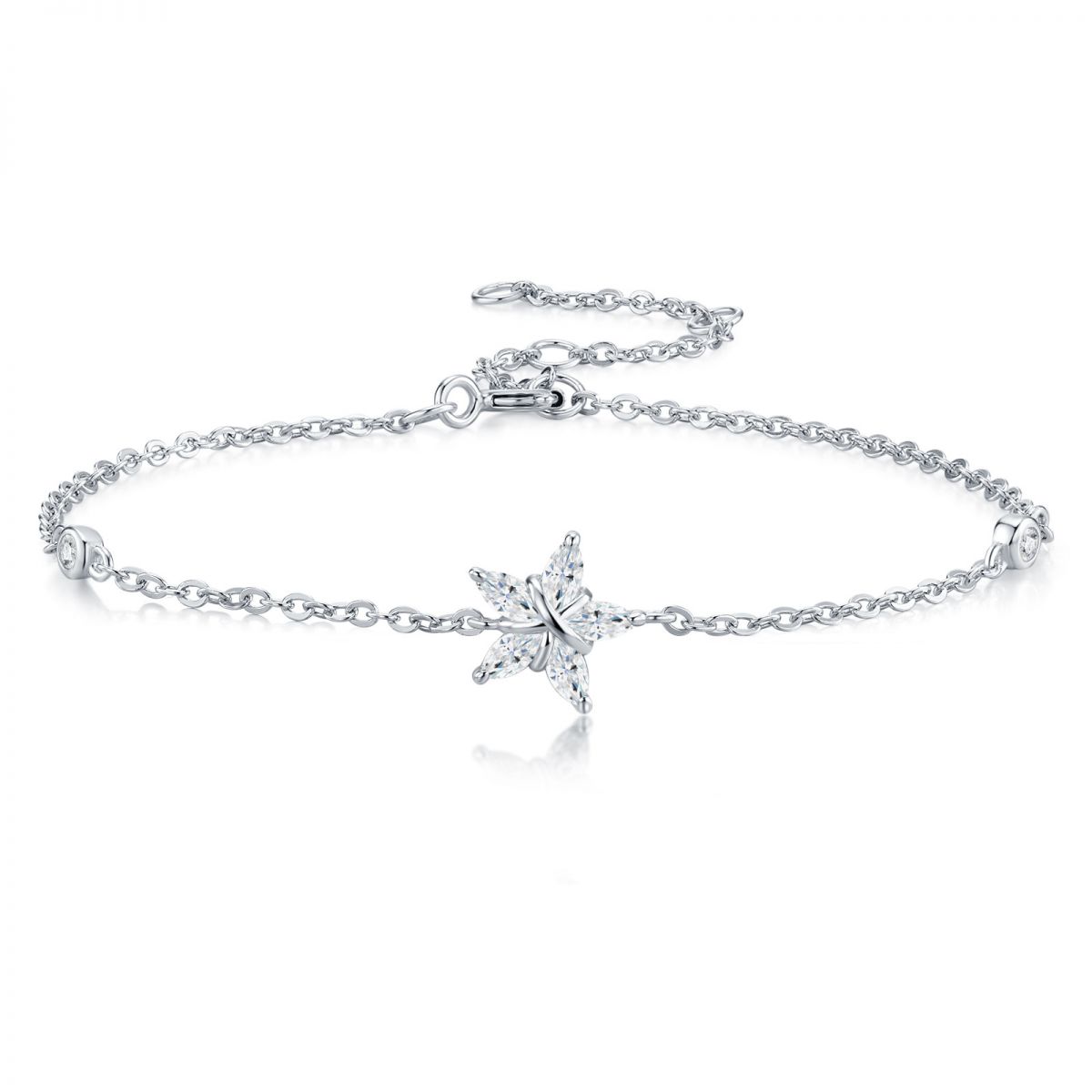
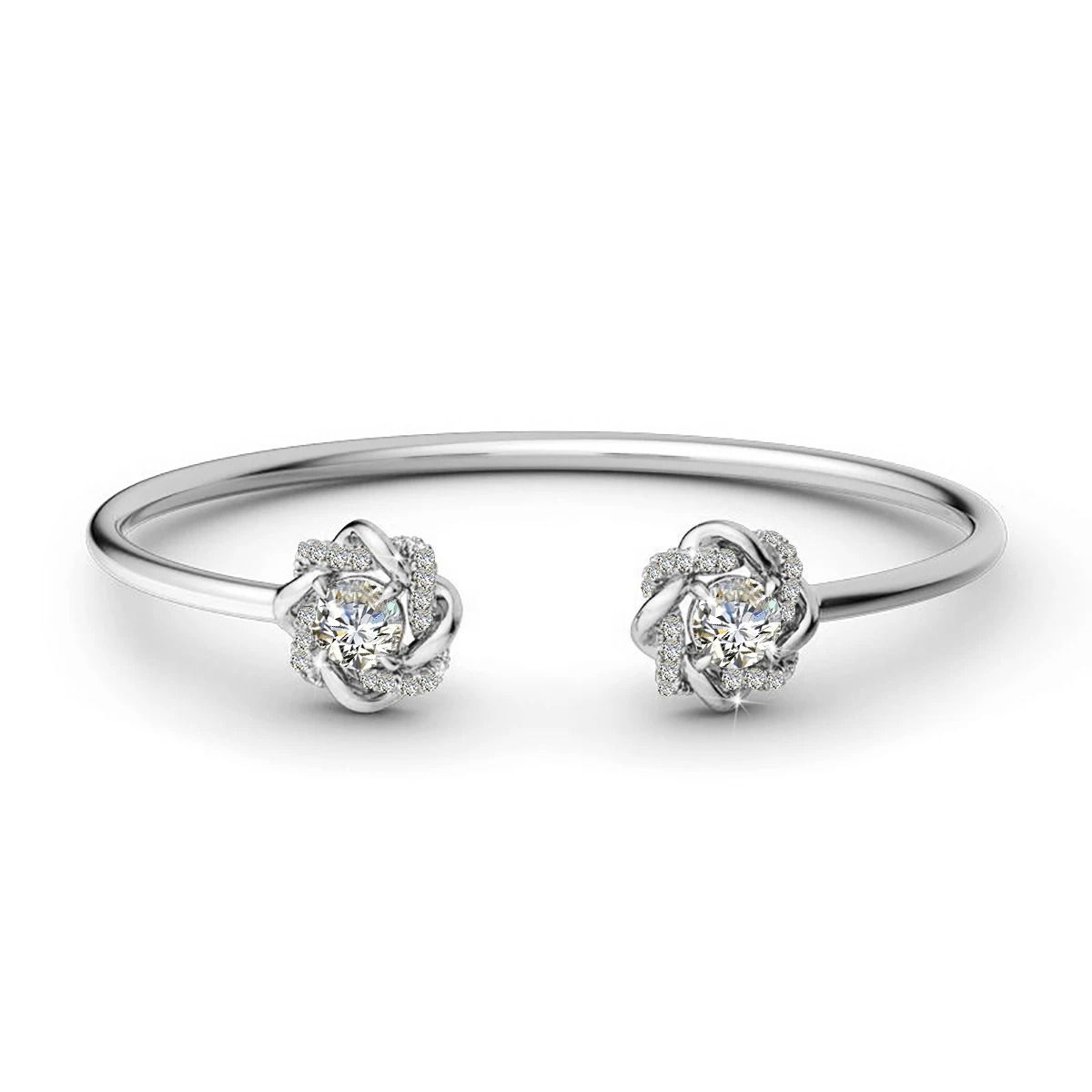
Reference designs in the range include Star Station Chain Bracelet; Heart CZ Tennis Bracelet; Vine Branch Cuff Bracelet.
The quoted band runs from $100 to $235 with a median near $111.52, which is wide enough to cover two price slots.
Setting the round-two quantities
Quantities should follow the concentration you measured, not the average. If two designs carry most of the sell-through, the reorder should reflect that ratio rather than adding units evenly across the shortlist.
Quoted prices run from $100 to $235, with a median around $111.52.
The distance between $100 and $235 is the room a promotion has before the margin goes, so it is worth reading before a discount.
Range snapshot: Bracelets & Bangles by the numbers
Lab grown diamond is the dominant stone at 67%; moissanite makes up 28%.
| Dimension | Reading | Buying note |
|---|---|---|
| Designs on file | 312 | Shortlist can come from stock patterns |
| Dominant metal | 925 sterling silver (93%) | Quote cycle stays short |
| Dominant stone | lab grown diamond (67%) | Sourcing already settled |
| Quoted band | $100 - $235 | Covers two price slots |
Quoted prices run from $100 to $235, with a median around $111.52. Read the snapshot before the shortlist: a category that is narrow in metal but deep in cut behaves differently from one that is the other way round.
Frequently Asked Questions
How soon should a reorder happen?
When the sell-through pattern is clear enough to change the mix, not before. Reordering on the calendar rather than on demand is how dead stock accumulates.
Should I reorder the exact same build?
Only if the first build passed your own checks. If a field caused returns, change that field rather than the design.
Is it normal for a factory to substitute materials on a reorder?
It should not be. Ask for written confirmation that the build is unchanged, and re-check the spec sheet against the new lot.
What if the best seller is out of stock?
Ask which design in the same price slot can carry the demand, and treat that as a planned substitution rather than an exception.
How many designs should a mature category carry?
Enough to cover the price slots you sell, no more. Depth per design beats width once demand is known.
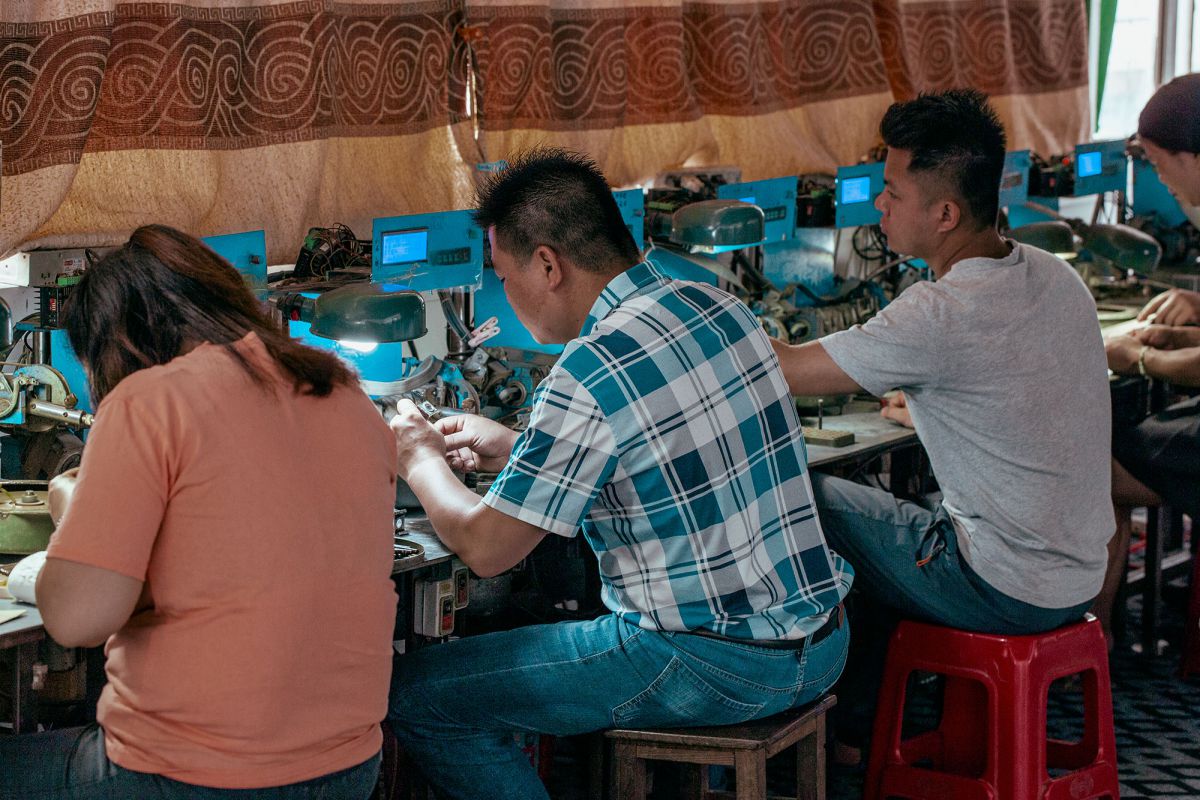
If you want to work from the current range rather than from a catalog PDF, send the two price slots you sell and the size bands you stock. We will reply with the designs that fit, the build on each, and the reorder path. GemWSL keeps the full range in one place.
Send your spec sheet — stone, cut, size, plating and quantity — and we will return a costed timeline.
Ask the workshop