Bridal Sets
Coordinating a Three-Piece Bridal Jewelry Set Without Clash
A bride walks in wearing a plain shift dress and says she wants the full look but has no idea what coordinates with what. The three-piece bridal set usually means a ring set (engagement plus band) and a matching necklace and earring pairing, or a ring, necklace, and earring stack chosen to one standard. The retailers who sell more of these do not hand the bride three pretty boxes; they hand her a single metal, one cut, and one scale. Here is how we coach the coordination.
The Three Rules That Make a Set Match
Rule one: one metal color. Mixing 14k white gold with yellow gold on the same bride looks intentional only on a stylist. Stock and sell the set in the same karat and color, and note that karat fineness follows the GIA 4Cs and metal-marketing basics so the piece can be marked honestly. Rule two: one primary stone. Let the engagement ring own the 6.5 mm center, and drop the earrings and pendant to 4 to 5 mm stones so they support instead of compete. Rule three: one finish. If the ring is high-polish, keep the bracelet and necklace high-polish; brushed finishes read as a different jewelry family.
How Scale Changes Across Three Pieces
The neck sits about 16 inches from the eye on most women, the ears about 12 inches, and the hands out front at roughly the same distance. A center stone that looks right on the finger can look small on the neck, which is why pendant chains run longer than people expect. We suggest an 18 inch chain for a bridal pendant so the stone lands at the collarbone. Earrings at 4 to 5 mm studs read as support; move to drops only if the hair is up. A common wholesale mistake is ordering three pieces that all use the same 6.5 mm stone, which ends up looking heavy and costume-like.
Coordinate the set as a stack, not as three singles. For ring-set geometry, our bridal sets versus buying separate guide shows the price math, and matching the wedding band solves the gap problem. When the set crosses into necklace and earrings, stack width on the finger and metal color against skin tone keep the whole look coherent.
The Proportion Math That Holds the Set Together
A useful rule of thumb is the 1-0.7-0.5 ratio. Let the engagement ring center be 1.0, the largest stone. Set the pendant stone to about 70 percent of that size, so a 6.5 mm ring pairs with a 4.5 mm pendant. Set the earring stones to about 50 percent, so 3 to 3.5 mm studs. That ratio keeps the eye reading the ring first, the necklace second, and the earrings as the quiet frame. When a set breaks this rule and the pendant matches the ring stone exactly, the necklace competes with the engagement ring for attention and the bride looks over-accessorized in her own photos. We photograph every coordinated set before shipping so the boutique can show the ratio in person.
Finish and prongs carry the rule home. If the ring uses six prongs, the pendant should use six prongs in the same metal; if the band is brushed, the bracelet should share the brush. These small matches are invisible when they work and obvious when they do not, and they are what separates a styled set from three pieces bought on separate sales. The retail margin on a coordinated set is higher because the bride buys three pieces at once, and the return rate is lower because the pieces were chosen to live together.
What the Bride Actually Wears After the Wedding
Sell the set as a day-one package, but tell the bride which pieces she will reuse. The pendant and studs become everyday wear; the engagement ring stays daily; the wedding band is permanent. That is the upsell that makes the set feel worth it. A bride who will only wear the set once should not be pushed into a three-piece upgrade; she is happier with a ring and simple earrings.
FAQ: Brides Ask These First
Do the necklace and earrings have to match the ring exactly?
They need the same metal color and a smaller stone, not the same setting. Let the ring be the star and the others the supporting cast.
What chain length works for a bridal pendant?
An 18 inch chain places a 4 to 5 mm stone at the collarbone. A 16 inch sits high and can crowd a high neckline.
Can I mix white gold and yellow gold in a set?
Avoid it unless the bride specifically wants the mixed look. One metal color reads as a cohesive bridal set and resells better as heirloom pieces.
Is a three-piece set cheaper than buying separately?
Usually yes at wholesale, because the bench makes the same setting three times. The saving is in production, not in a discount label.
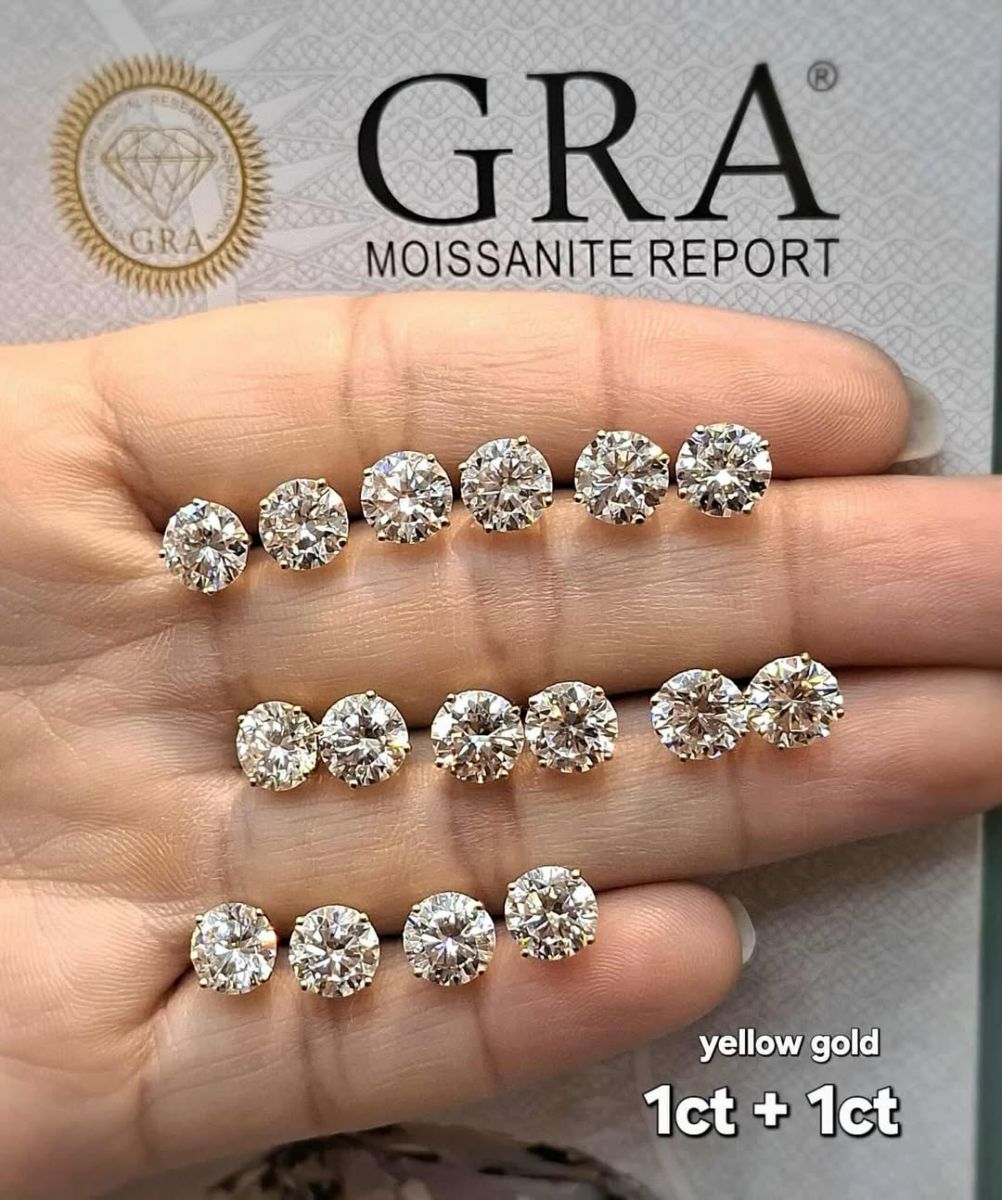
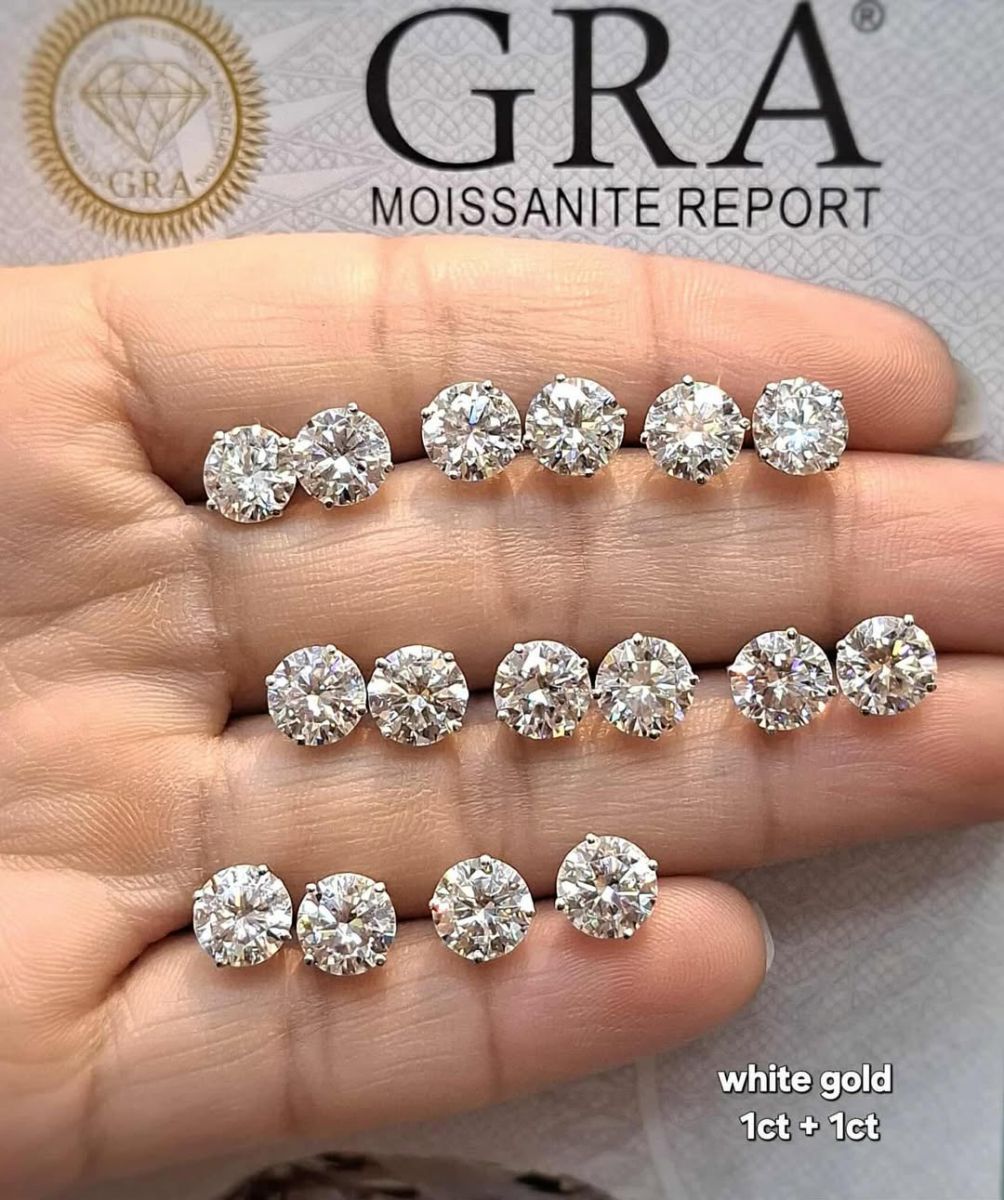
Build a coordinated bridal wall. HOLYCOME supplies matching three-piece moissanite sets in one metal color and graduated stone sizes, with ring sets, pendants on 18 inch chains, and matching studs. Ask for the bridal-set wholesale bundle and sample trays.
Frequently Asked Questions
How do I verify a factory before a bulk order?
Request a production video, business licence, export records and a paid sample run.
What payment terms do you offer?
30% T/T deposit with the balance against the bill of lading.
What is your normal reject rate?
3 to 5% under 10x loupe inspection; defective units are replaced free in the next shipment.
Where is the factory?
Wuzhou, Guangxi, China, with shipments via Guangzhou or Shenzhen.
Send your spec sheet — stone, cut, size, plating and quantity — and we will return a costed timeline.
Ask the workshop