Bridal Sets
Bridal Sets Wholesale: inbound QC
Why Quality Control Matters Most for Bridal Sets
Bridal sets combine an engagement ring and a matching band into a single purchase, which means two rings must arrive at your store with matched metals, aligned stones, and consistent finishing. For wholesale buyers, the decisive factor is not design alone but the inspection system behind each shipment. A supplier that checks stones at incoming, monitors workmanship during production, and runs a pre-ship AQL inspection gives you a defensible basis for what you resell.
This article walks through the practical QC decisions a US wholesale buyer should make when sourcing bridal sets, from the first stone receipt to the carton that leaves the factory.
The Three-Stage QC Framework Explained
A structured inspection program for bridal sets runs at three checkpoints. Each stage catches a different class of defect, and skipping any one of them raises the risk that a problem reaches your customer after the sale rather than before the shipment.
Incoming Material Inspection
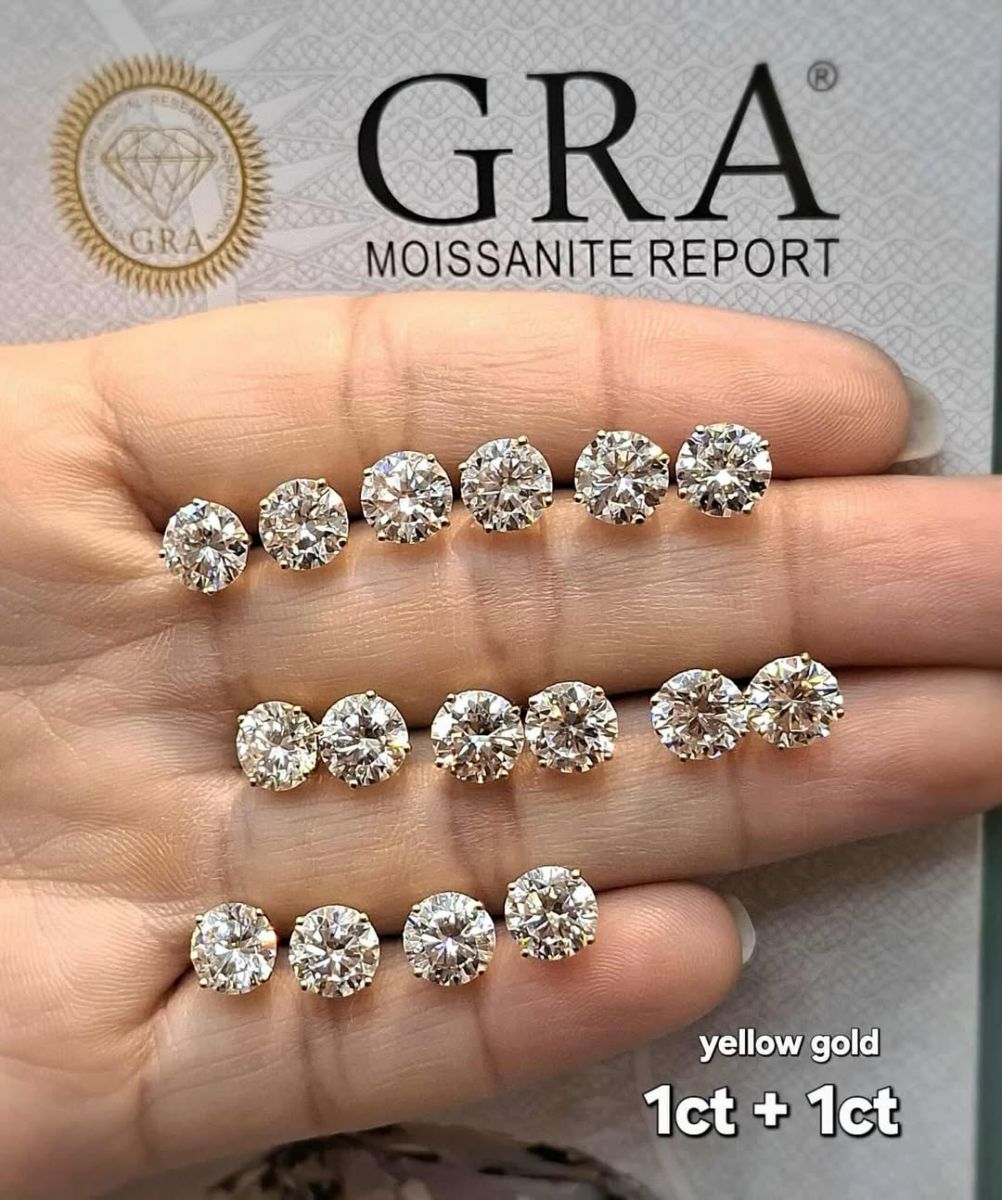
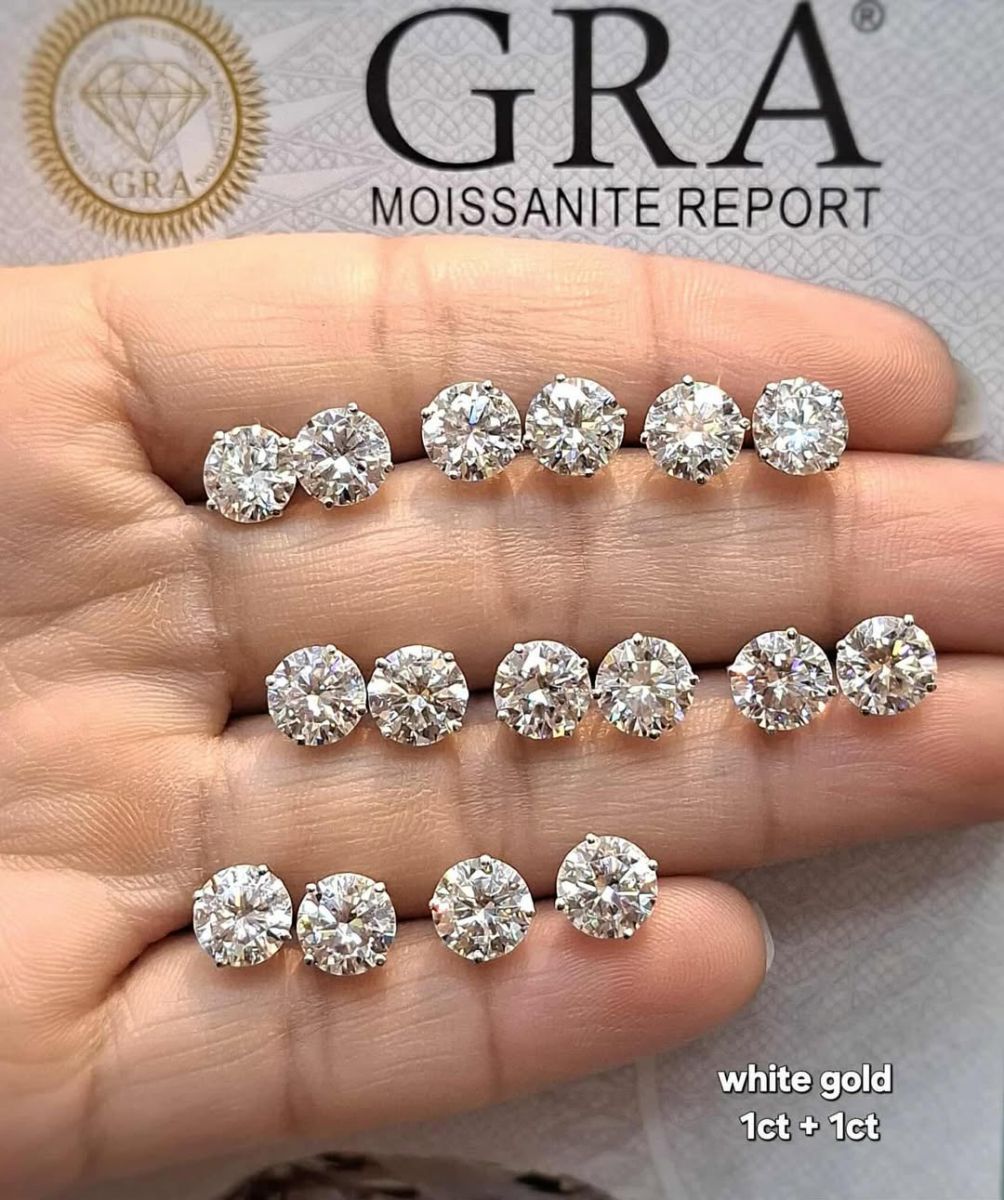
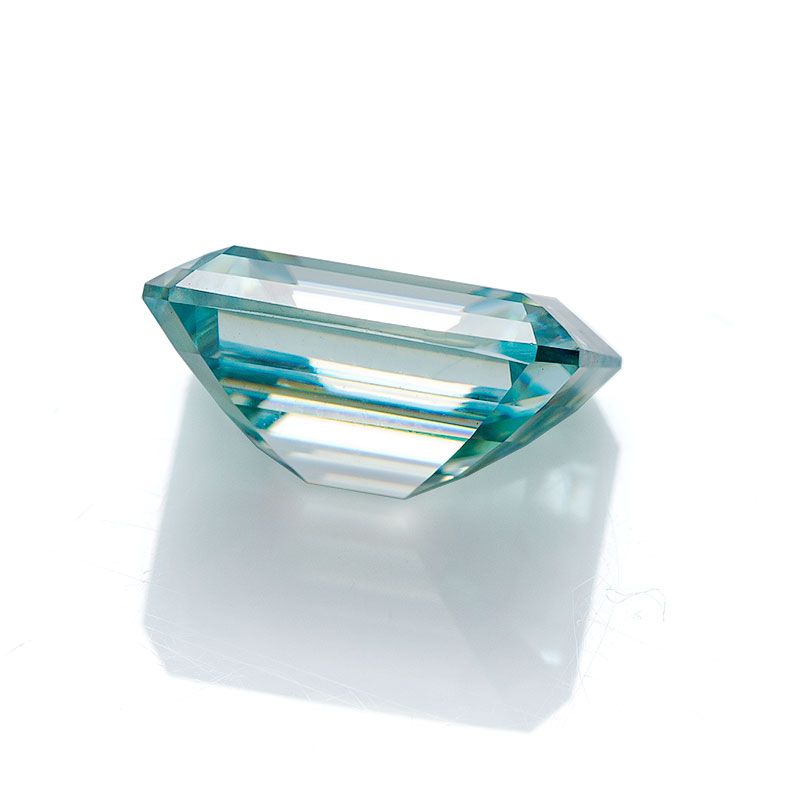
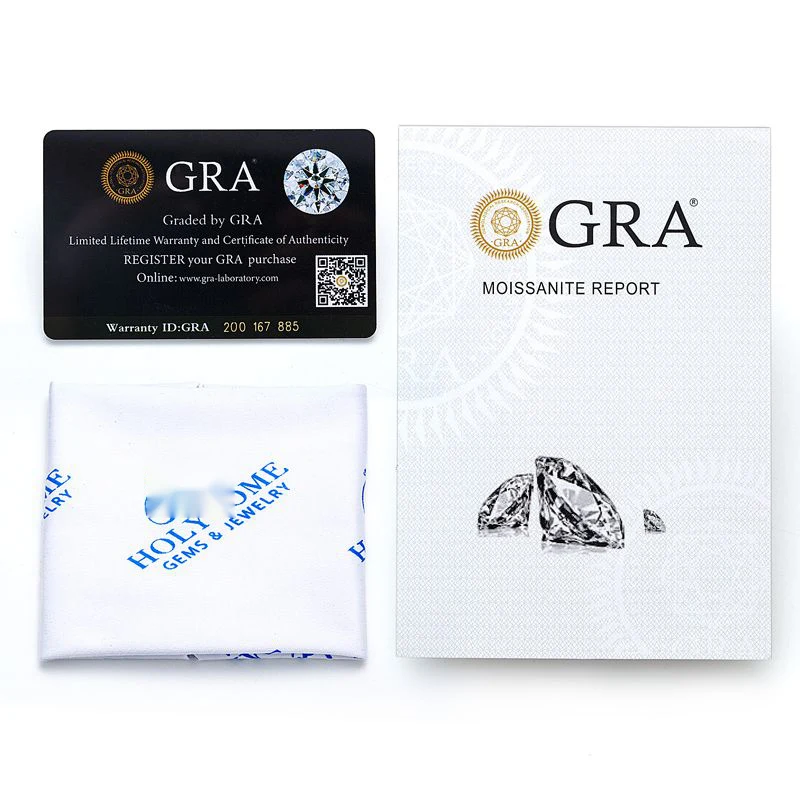
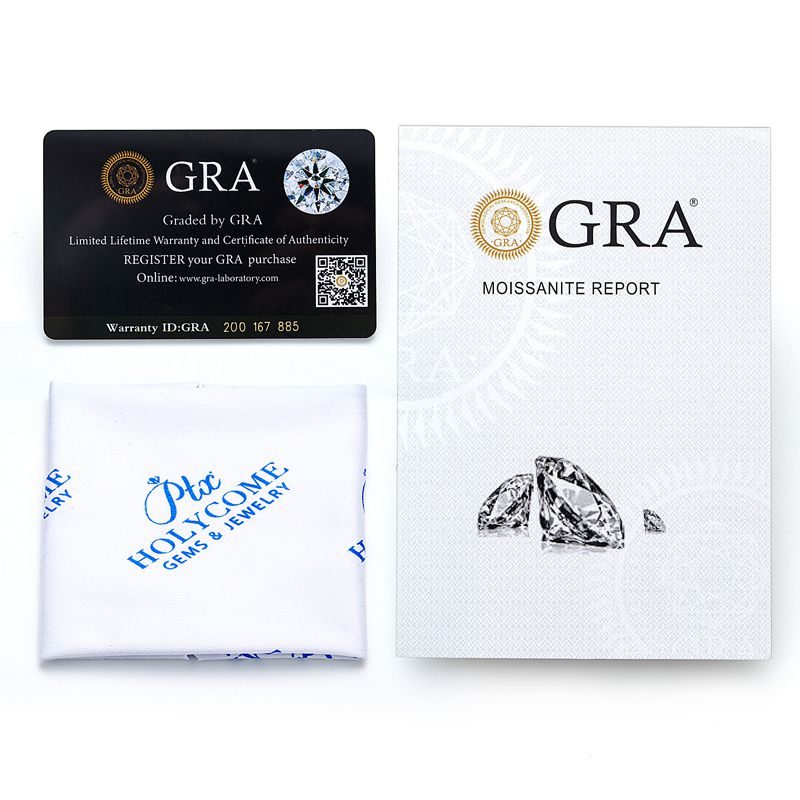
The first checkpoint happens before assembly begins. Loose moissanite arrives by the carat and should be verified against the accompanying GRA or IGI papers, with checks on carat weight, color grade, and clarity grade. The metal components, whether 925 sterling silver, 10K, 14K, or 18K solid gold, or gold vermeil, are checked for stamp accuracy and weight consistency.
At this stage, a supplier can reject a stone lot or a casting batch before any labor is invested, which keeps replacement costs low and protects your production timeline.
In-Process Checks During Production
During assembly, inspectors examine stone setting, prong alignment, band curvature, and the fit between the engagement ring and its matching band. Bridal sets are particularly sensitive here: if the contour of the band does not nest against the engagement ring, the set fails visually even when both pieces are individually well made. In-process checks catch solder flaws, plating thickness variations on gold plated or vermeil components, and sizing errors while correction is still inexpensive.
Pre-Ship AQL Inspection
The final checkpoint is an AQL inspection conducted before shipment. Inspectors pull a statistically representative sample from the finished batch and evaluate it against acceptance quality limits for workmanship, plating, stone security, and packaging. For a wholesale buyer, this is the last opportunity to reject a lot before it ships. Ask your supplier to document the AQL level used, the sample size, and the defect classification, and to share photos or an inspection report with the shipment paperwork.
What to Verify at Incoming Inspection for Bridal Sets
Bridal sets typically feature a center moissanite stone plus accent stones on both the engagement ring and the band. Because moissanite is a lab-created diamond alternative, grading documentation from GRA or IGI gives you a consistent reference for what you ordered and what you received. Confirm that the paper matches each stone, not just the lot, when order volume allows.
- Match carat weight on the packing list against scale readings for the center stones.
- Check color and clarity grades against the GRA or IGI documentation supplied.
- Verify metal stamps on rings, bands, and any findings before assembly.
- Weigh castings against expected metal weight to catch underweight components.
- Confirm accent stone counts per set so no ring ships short stones.
If your supplier relies on a single visual glance at incoming material, small discrepancies will surface later as disputes with your retail customers. A written incoming inspection record protects both sides.
Setting the Right AQL Level for Pre-Ship Inspection
AQL sampling is the industry standard for pre-shipment inspection, but the acceptable quality level you agree on changes what gets caught. A tighter AQL accepts fewer defects and produces more rework and re-inspection cycles; a looser AQL speeds shipment but passes more borderline pieces. Discuss the level explicitly with your supplier rather than leaving it to their default.
Use the table below as a discussion framework when you and your supplier agree on inspection scope for a bridal set order.
| Inspection Stage | What Is Checked | Typical Method | Who Performs It |
|---|---|---|---|
| Incoming | Stone grades, metal stamps, weights | Scale, loupe, document match | Supplier QC team |
| In-process | Setting, band fit, plating | Line-side visual checks | Line inspectors |
| Pre-ship | Finished set workmanship, packaging | AQL sampling per lot | Supplier plus buyer option |
Once the stages are mapped, decide whether you want the right to witness or review the pre-ship inspection. Many buyers request photos of sampled sets, inspection checklists, and defect notes attached to the commercial invoice. Others hire a third-party inspector for larger orders. Either approach works; what matters is that the AQL criteria are written into your purchase order.
Defect Classes That Matter for Bridal Sets
Not every defect carries the same weight. Agree on classifications before production starts so inspection results are unambiguous.
Critical Defects
Critical defects make a set unsaleable or unsafe. Examples include a loose center stone that can fall out, a cracked moissanite, a missing or illegible metal stamp on a solid gold or sterling silver piece, or a band that cannot be resized as advertised. Any critical defect found in an AQL sample should trigger a hold on the entire lot.
Major Defects
Major defects are visible to a customer without tools. These include mismatched ring and band contours, uneven plating color on gold vermeil or gold plated components, visible solder lines, off-center settings, and stones set below flush. Major defects above the agreed AQL threshold typically require rework of the sampled units and re-inspection before shipment.
Minor Defects
Minor defects are small polish marks, faint tool marks inside the shank, or slight tone variation between the engagement ring and band under certain lighting. These may be acceptable within limits, but record them in the inspection report so repeat issues can be tracked across orders.
Timelines, Payment, and How QC Fits the Schedule
Sampling for bridal sets takes 7 to 10 days, and bulk production runs 15 to 25 days after sample approval. Build the pre-ship AQL inspection into that window rather than treating it as an afterthought. If the inspection finds defects, rework plus re-inspection can add several days, so a buyer shipping for a fixed launch date should schedule approval early enough to absorb a re-check.
Pricing is quoted per piece or per carat depending on the item, and a tighter AQL or third-party inspection may affect cost, so confirm terms before you sign.
On payment, standard terms are T/T with a 30 percent deposit and the 70 percent balance before shipment, while sample orders can be paid through PayPal. Because the balance is due before shipment, the pre-ship inspection is your final negotiation point: resolve any found defects before releasing the balance. After approval, DDP delivery to the US takes 5 to 8 days, so a well-run inspection protects the last mile of an otherwise predictable timeline.
- Approve samples within the 7 to 10 day sampling window to keep production on schedule.
- Book the pre-ship AQL inspection date when bulk production starts, not at the end.
- Attach the agreed AQL level and defect classes to the purchase order and invoice.
- Release the 70 percent balance only after the inspection report clears.
Building a Documentation Trail for Resale Confidence
US retailers increasingly expect paperwork behind every bridal set they stock. A complete file for each order includes GRA or IGI papers for graded stones, metal stamp verification records, the AQL inspection report with sample photos, and DDP shipping documents. This trail lets your sales team answer customer questions about the lab-created origin of the moissanite and the true metal composition, whether the piece is 925 sterling silver, solid gold in 10K, 14K, or 18K, gold vermeil, or gold plated.
Accurate naming protects your store from misrepresentation claims and builds repeat wholesale relationships.
Keep the terminology consistent across your own listings as well. Moissanite is a lab-created diamond alternative, and plating or vermeil should be described exactly as such. Your supplier's QC documentation should match your retail descriptions line for line.
Order Terms for Wholesale Buyers
MOQ is 1 piece for stock styles and 30 pieces for custom work, and loose stones are sold by the carat. Sampling takes 7 to 10 days, and bulk production runs 15 to 25 days after the sample is approved. Pricing is quoted per piece or per carat depending on the item. Payment is T/T with a 30% deposit and the 70% balance before shipment, and PayPal is accepted for sample orders.
Frequently Asked Questions
Can I inspect bridal sets before paying the 70 percent balance?
Yes. The standard payment terms are T/T with a 30 percent deposit and 70 percent balance before shipment, and the pre-ship AQL inspection is the checkpoint that confirms quality before you release the balance. Ask for the inspection report and sample photos with your final invoice. If defects appear, the report becomes the basis for rework before shipment proceeds.
What AQL level should I request for a bridal set order?
There is no single correct level; it depends on your price point and tolerance for rework. Discuss a specific AQL with your supplier, write it into the purchase order, and classify critical, major, and minor defects in advance. Reviewing past inspection reports from your supplier helps you judge whether their default level suits your retail standards.
How are graded stones documented in bridal sets?
Graded moissanite stones come with GRA or IGI papers that record carat weight, color, and clarity. Match each paper to the corresponding stone in the set, especially center stones. Keep copies with your order file so your retail listings align with the documentation.
Does a third-party inspection add much time to the schedule?
A third-party inspector typically needs a day or two at the factory once bulk production is complete, which fits inside the 15 to 25 day production window if booked early. Coordinate the inspection date with your supplier when production begins. Adding rework time for found defects is the bigger schedule factor, so build in buffer days before your launch.
How does sampling differ from bulk QC for bridal sets?
Sampling takes 7 to 10 days and establishes the reference piece: correct ring-to-band fit, stone grades, and finishing standards. Bulk QC then holds production to that approved sample through in-process checks and the final AQL inspection. Approving a sample you would actually sell is the single most effective QC decision you make.
Start Your Bridal Set Order with QC Built In
A bridal set program succeeds when inspection terms are agreed before the first casting is poured. Write your AQL level, defect classes, and documentation requirements into the purchase order, and confirm the inspection schedule alongside your 15 to 25 day production window. If you want to review product categories and sourcing guides first, visit our wholesale jewelry blog for buyer-focused articles.
When you are ready to discuss inspection terms, metal options, and moissanite grades for your bridal sets, reach our team through the contact page to start a sampling conversation. For answers on payment terms, DDP delivery, and order minimums, browse the FAQ page before you place your first order.
Sources: Grading references: GIA gem education and GIA laboratory information.
Send your spec sheet — stone, cut, size, plating and quantity — and we will return a costed timeline.
Ask the workshop