Bridal Sets
Bridal Sets by Metal First: Reading the 43 Split - GemWSL
Most buyers open a bridal sets category on a price filter and close it on a spec they cannot verify.
Why metal is the first decision, not the last
Two Bridal Sets designs can look identical in a photo and behave completely differently in wear, in repolishing, and in the price a customer will accept. 925 sterling silver accounts for 43% of the designs, with gold plated at 29%.
Starting with metal keeps the rest of the specification honest. Once the base is fixed, stone, setting and finish all have a defined budget to work inside.
Anything outside the 925 sterling silver group is a minority build, and minority builds are where a reorder date slips.
The split, and what sits behind it
| Metal group | Share of designs | Practical reading |
|---|---|---|
| 925 sterling silver | 43 | Default production path, shortest quote cycle |
| gold plated | 29 | Available on request, usually a separate line |
| Plated finishes | Bulk of entry price points | Fast to produce, shorter wear window |
| Solid gold | Quoted per order | Higher unit cost, longer service life |
Lab grown diamond is the dominant stone at 50%; moissanite makes up 50%.
16 designs means the shortlist can be assembled from stock patterns rather than from development requests.
What plating changes for a wholesale buyer
A plated piece is a price-point tool. It lets a boutique hit an opening retail number without touching the stone budget. The trade-off is a wear window measured in months, not years, and a returns conversation that has to be handled before the sale, not after.
Solid gold removes that conversation. It also removes the low price point. Most catalogs therefore carry both and let the buyer choose per design.
lab grown diamond accounts for 50% of the designs, so stone sourcing is already settled for most of the range.
Where the stone changes, the price band usually changes with it, which is why lab grown diamond at 50% anchors the core of the range.
Matching metal to the channel you sell into
- Entry-price retail: plated finishes with a clear disclosure line
- Repeat-purchase retail: solid base metal, fewer designs, deeper sizes
- Bridal and gifting: solid gold or platinum where the piece is worn daily
- Marketplace listings: one metal per listing, no mixed variants in one SKU
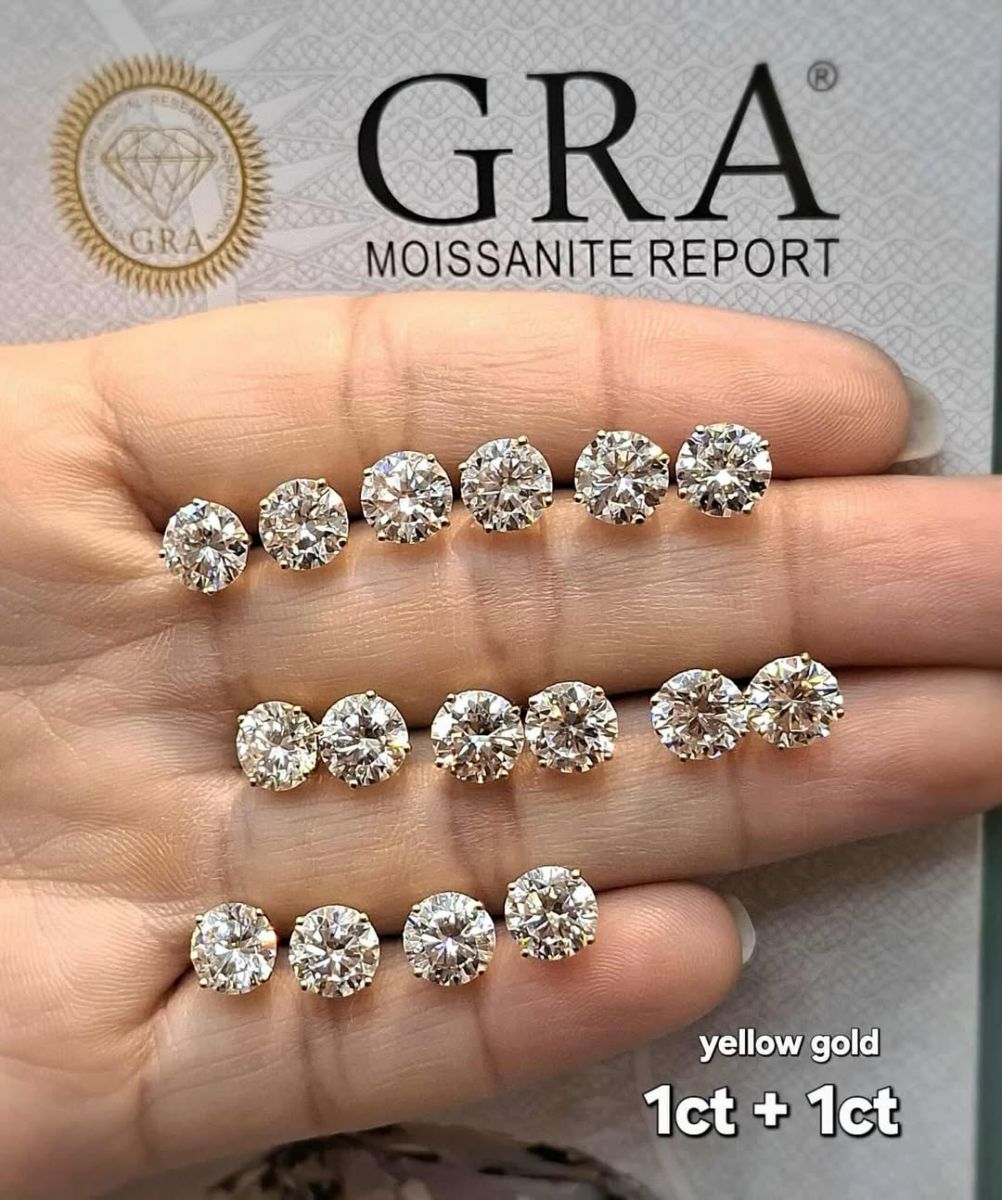
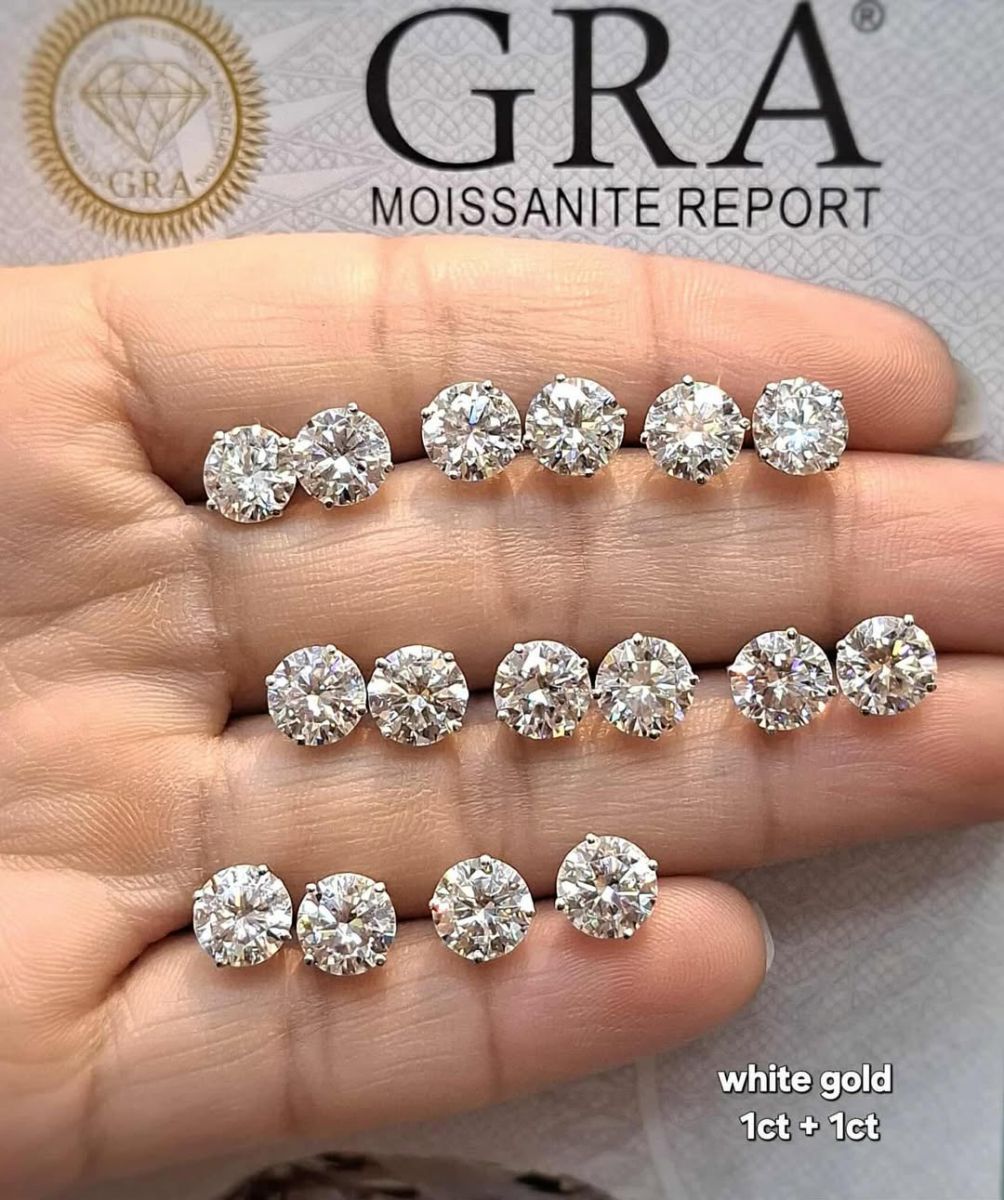
Reference designs in the range include Classic 2ct Bridal Ring Set; Halo Bridal Set (Ring + Earrings); Pear Halo Bridal Set.
With 16 designs on file, the reorder path usually exists before the first order is placed.
At $164 median, the middle of the range is where most reorders land, and the two ends are sample territory.
How to confirm the metal before you scale
Request the spec sheet for each shortlisted design and check three things: base metal, plating thickness where relevant, and whether the stamp matches the claim. A sample that passes those three is a design you can reorder with confidence.
Quoted prices run from $58 to $319, with a median around $164.
Median quote sits near $164, with the working range between $58 and $319.
Range snapshot: Bridal Sets by the numbers
Lab grown diamond is the dominant stone at 50%; moissanite makes up 50%.
| Dimension | Reading | Buying note |
|---|---|---|
| Designs on file | 16 | Shortlist can come from stock patterns |
| Dominant metal | 925 sterling silver (43%) | Quote cycle stays short |
| Dominant stone | lab grown diamond (50%) | Sourcing already settled |
| Quoted band | $58 - $319 | Covers two price slots |
Quoted prices run from $58 to $319, with a median around $164. Read the snapshot before the shortlist: a category that is narrow in metal but deep in cut behaves differently from one that is the other way round.
Frequently Asked Questions
Is plated metal acceptable for a first order?
It is the standard way to hit a low opening price, provided the listing discloses the plating clearly and the care instructions match the wear window.
Can the same design be produced in a different metal?
Often yes, but it becomes a separate production line with its own quote. Confirm before promising it to a customer.
How thick should plating be for daily wear?
Thickness is quoted per factory and per finish. Ask for the figure in microns rather than accepting a general claim about durability.
Does metal choice change the MOQ?
Usually. Stock metal patterns carry the lowest minimums; a metal change moves the design into a custom run.
Which metal lasts longest?
Solid gold and platinum outlast plated finishes by design. The right choice depends on how the piece will be worn and how long the customer expects it to last.
If you want to work from the current range rather than from a catalog PDF, send the two price slots you sell and the size bands you stock. We will reply with the designs that fit, the build on each, and the reorder path. GemWSL keeps the full range in one place.
Send your spec sheet — stone, cut, size, plating and quantity — and we will return a costed timeline.
Ask the workshop