Bridal Sets
Bridal Sets Range Depth: What 16 Designs Tell a Buyer - GemWSL
Buyers do not fail on bridal sets because the design is wrong; they fail because the range was never read as a range.
Why the count matters more than the hero shot
The range holds 16 designs in this category. A buyer who sees only the four designs pinned to the top of a page is looking at merchandising, not at capability. The depth of the range is what tells you whether a supplier can fill a reorder without re-quoting every line.
925 sterling silver accounts for 43% of the designs, with gold plated at 29%. That mix is not decoration. It decides which finishes you can promise a customer next month without opening a new development file.
Read the metal line as a lead time signal: 925 sterling silver at 43% is the path production already runs every week.
How the range is actually composed
Lab grown diamond is the dominant stone at 50%; moissanite makes up 50%.
| Dimension | Reading | What it means for an order |
|---|---|---|
| Designs in range | 16 | Reorders can be filled from stock patterns |
| Dominant metal | 925 sterling silver (43) | Most lines can ship without a metal change |
| Dominant stone | lab grown diamond (50) | Stone sourcing is already settled |
| Leading cut | the leading cut () | Fastest path to a repeatable look |
Quoted prices run from $58 to $319, with a median around $164.
A range of 16 designs is deep enough that a shortlist of six can be drawn without leaving a price slot empty.
What the long tail covers
The designs that never make the homepage are the ones that absorb odd requests: unusual sizes, quieter settings, lower carat weights for entry price points. That tail is where a first order gets its breadth without a custom development fee.
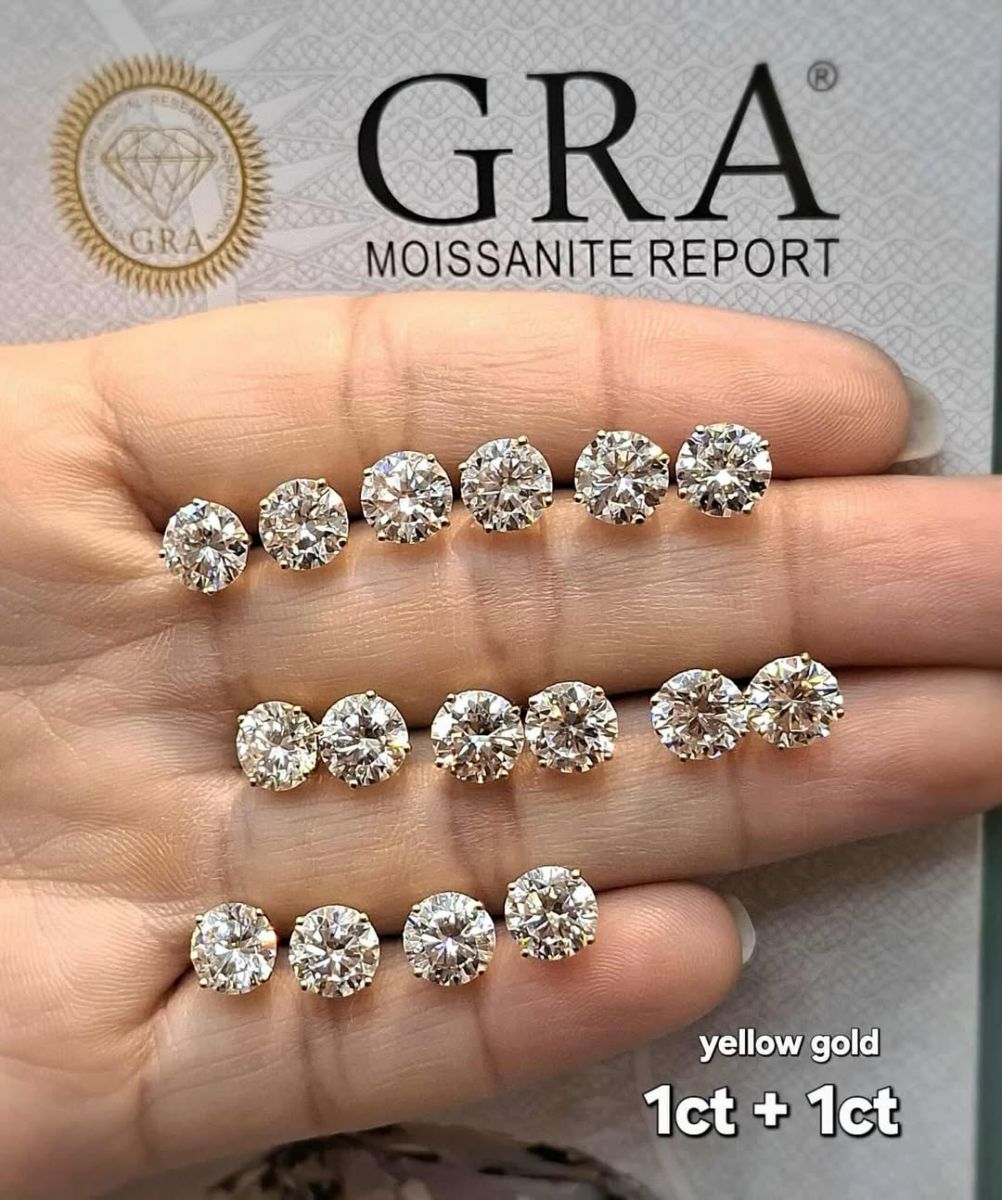
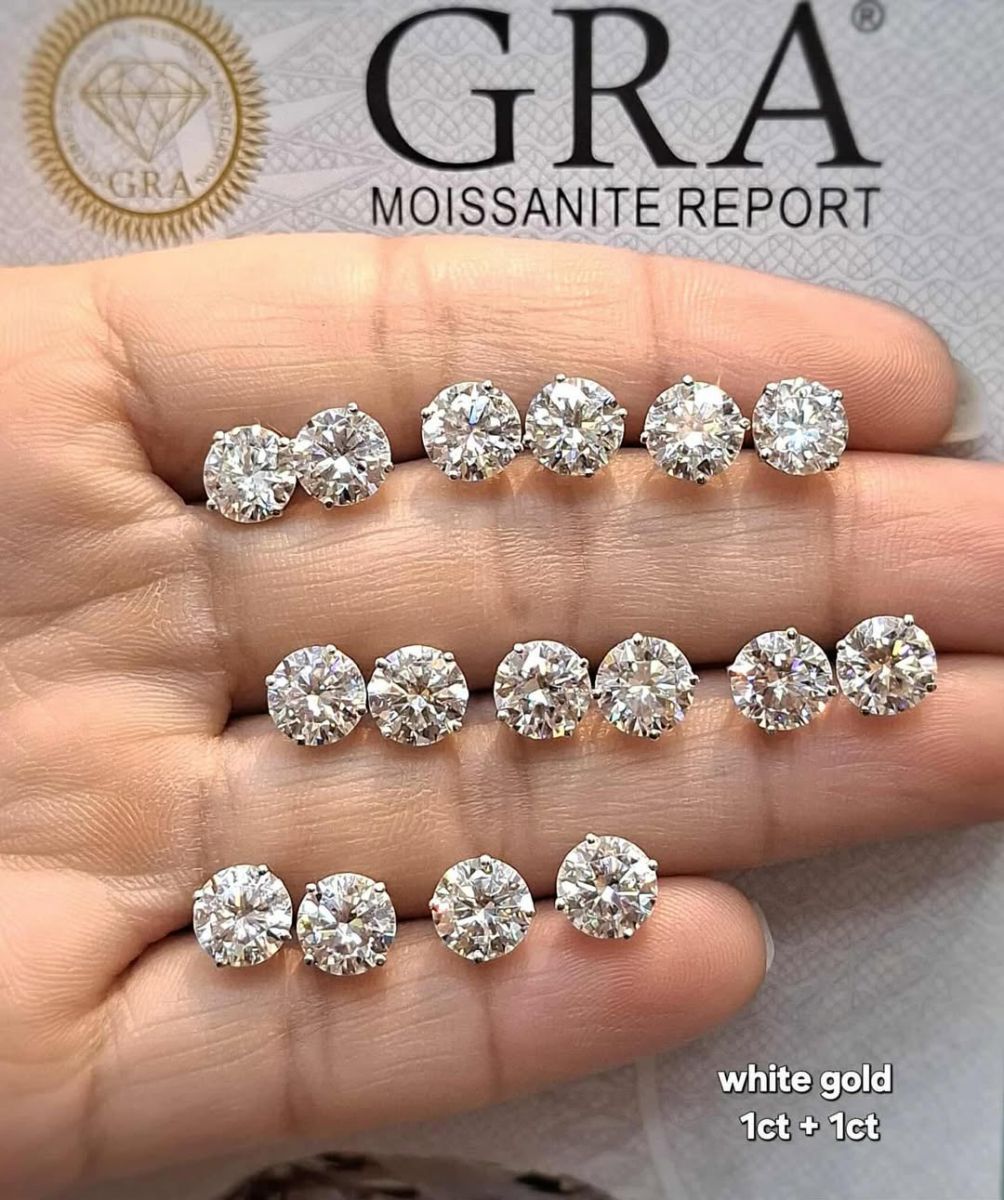
Reference designs in the range include Classic 2ct Bridal Ring Set; Halo Bridal Set (Ring + Earrings); Pear Halo Bridal Set. Reading a handful of names tells you the vocabulary the factory already works in.
lab grown diamond accounts for 50% of the designs, so stone sourcing is already settled for most of the range.
The distance between $58 and $319 is the room a promotion has before the margin goes, so it is worth reading before a discount.
Where this range is thin, and how to plan around it
No catalog covers everything. Depth in one cut usually means thinner coverage in another, and a stone-led range often has fewer metal variants than a metal-led one. Ask which gaps are structural and which are simply unscheduled.
- Check the two cuts you actually sell before committing to volume
- Confirm whether the metal variant you need exists as a stock pattern
- Ask for the last reorder date on any design you plan to feature
- Separate designs that are stocked from designs that are made to order
The figure of 16 is worth reconciling against your own shortlist before the quote, because it sets how much of the buy can be stock.
Where the stone changes, the price band usually changes with it, which is why lab grown diamond at 50% anchors the core of the range.
Ordering from depth instead of from a sample photo
The practical move is to pick six designs spread across the composition above, not six variations of one look. That gives you a category page with range, and a reorder path that does not collapse when one design sells out.
Median quote sits near $164, with the working range between $58 and $319.
Range snapshot: Bridal Sets by the numbers
Lab grown diamond is the dominant stone at 50%; moissanite makes up 50%.
| Dimension | Reading | Buying note |
|---|---|---|
| Designs on file | 16 | Shortlist can come from stock patterns |
| Dominant metal | 925 sterling silver (43%) | Quote cycle stays short |
| Dominant stone | lab grown diamond (50%) | Sourcing already settled |
| Quoted band | $58 - $319 | Covers two price slots |
Quoted prices run from $58 to $319, with a median around $164. Read the snapshot before the shortlist: a category that is narrow in metal but deep in cut behaves differently from one that is the other way round.
Frequently Asked Questions
Does a large range mean longer lead times?
Not by itself. Stock patterns ship from existing production; new builds are quoted separately. Ask which designs in your shortlist are stock and which are made to order.
Can I order a single design from this range first?
Yes. Opening with one or two designs is the normal way to test a factory's finishing before committing to a broader buy.
How do I verify the metal and stone claims?
Ask for the spec sheet per design and match it against the physical sample. The mix above reflects what the catalog states, and the sample is what confirms it.
Is the range updated often?
New designs are added as patterns are proven. Ask for the current list rather than relying on a page that may lag the catalog.
What if I need a cut that is not in the range?
That becomes a development request rather than a stock order, with its own sampling step and quote.
If you want to work from the current range rather than from a catalog PDF, send the two price slots you sell and the size bands you stock. We will reply with the designs that fit, the build on each, and the reorder path. GemWSL keeps the full range in one place.
Send your spec sheet — stone, cut, size, plating and quantity — and we will return a costed timeline.
Ask the workshop